Today: Mon Nov 16, 2026MethodologyCorrectionsSource policyAboutResearch Desk
Home › Horn of Africa and Ethiopia › Fighting in Ethiopia's Moyale drives tens of thousands...
Horn of Africa and EthiopiaDeveloping

Fighting in Ethiopia's Moyale drives tens of thousands across the border into Kenya
Compiled by IPR14 sources83 attributed claimsUpdated Nov 14, 2026
Report a problem
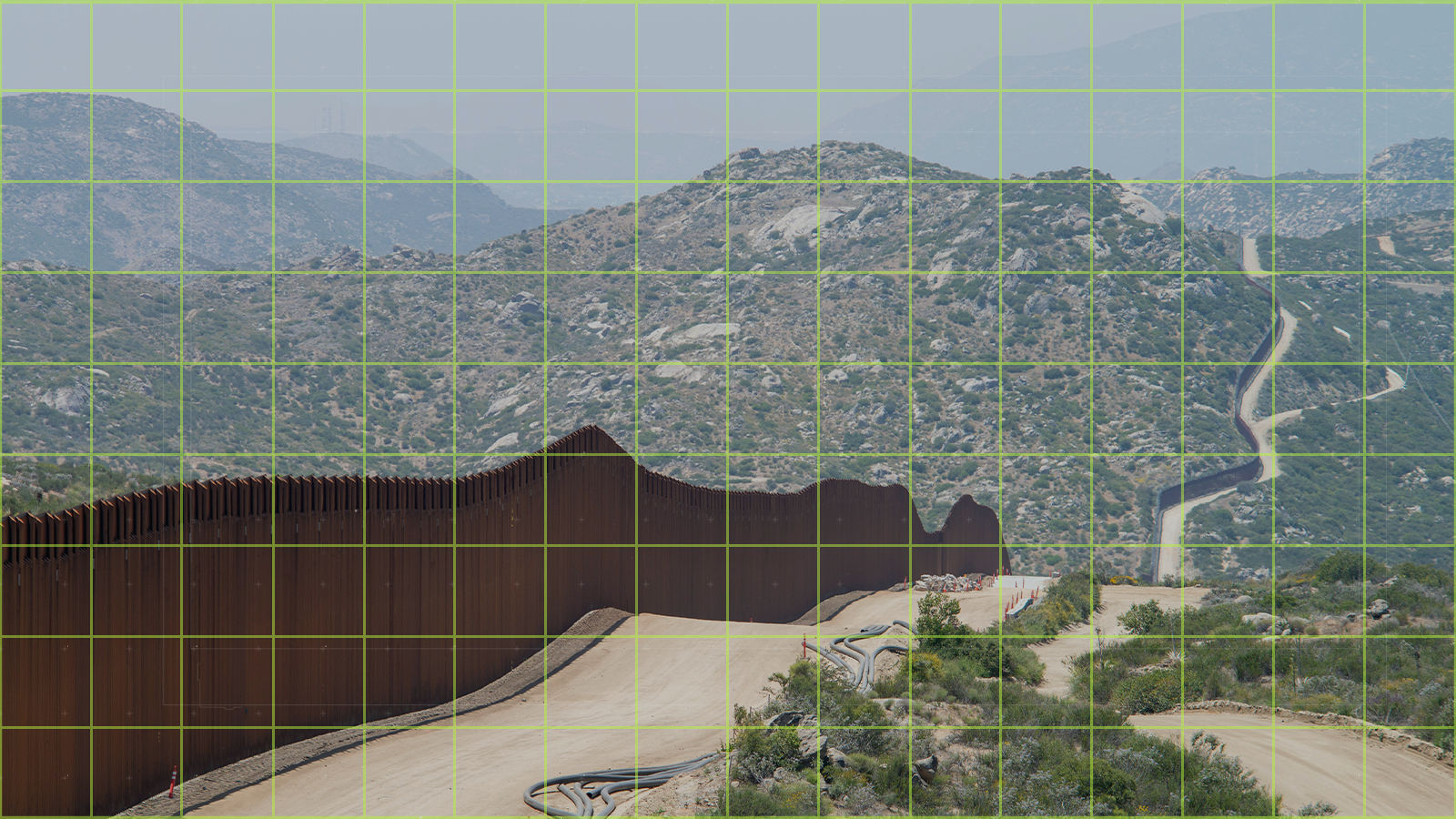
Illustration, not a photo of this event.
First recordWhat IPR recorded that day. What has happened since is under Updates since the first record.

Fighting on the Ethiopian side of the border town of Moyale in late October drove large numbers of people into Kenya. UNHCR said significant cross-border movements had been reported since 22 October and that, according to local authorities, up to an estimated 50,000 people had crossed, a figure it called fluid as registration and verification continue.[1]

Registration of arrivals by UNHCR and the Kenya Red Cross began on 31 October at two camps in Moyale, People Daily reported.[2]

How the fighting began

Kenyan police said on 22 October that hundreds of Ethiopians, mostly women and children, had crossed into Kenya through several entry points in Moyale, and that they were fleeing tensions between leaders of Ethiopia's Oromia and Somali regional states, Al Jazeera reported. The police reported gunfire and chaotic scenes in the town.[3]

Al Jazeera reported that Ethiopian media said the fighting began as a dispute over raising the flag of the Somali Regional State, and that tensions escalated into fighting between forces from the Oromia and Somali regions. Africanews, carrying AP reporting, described the fighting as stemming from a territorial dispute between the Oromia and Somali regional administrations. No statement from the Ethiopian federal or regional governments has yet been cited here.[3][4]

On 30 October an Associated Press journalist recorded gunfire from the Ethiopian side while filming from the Kenyan side of the border, Africanews reported.[4]

Numbers crossing into Kenya

The United Nations said on 27 October that 36,000 people had crossed into Kenya, according to Africanews. The EastAfrican reported on 29 October that more than 36,000 people had fled violence in Ethiopia into Kenya through Moyale. On 30 October UNHCR said that, according to local authorities, up to an estimated 50,000 people had crossed, and that the figure remained fluid amid reports of further crossings. These are estimates of arrivals, not a completed registration count.[4][5][1]

Benedict Munywoki, deputy county commissioner for Moyale Sub-County, told AP that more and more people were fleeing into the town, and local leaders in Marsabit County appealed for support.[4]

Humanitarian response

The Kenya Red Cross said on 22 October that its response would initially reach 1,000 households. UNHCR said it was working with other UN agencies and humanitarian partners to support the national and local emergency response.[3][5]

According to Citizen Digital, UNHCR said food was the most urgent need, alongside water, shelter, sanitation and health care, and that it had mobilised relief supplies and shelter materials for nearly 12,000 people. Authorities said some arrivals were staying with relatives and host communities while others sheltered in schools and churches. UNHCR said it was working with authorities and partners to find safer accommodation further away from the border.[1]

Registration

People Daily reported that UNHCR and the Kenya Red Cross began registration at the Hagosa and OMC camps on 31 October, issuing wristbands with unique identification codes, and that it will be followed by household profiling and the issuing of aid cards. A Kenya Red Cross official, Kasanga, said new families were still arriving.[2]

What the first record did not show

Open questions as of Nov 5, 2026, when IPR first recorded this story. Updates since then may answer some of them.

  • How many people have been registered so far.
  • How many people have been killed or injured in the fighting.
  • What the Ethiopian federal and regional governments say about the fighting.

The record

Event type
Other[3]Stated by Al Jazeera, independent analysis, Oct 22, 2026
Means
Firearm[4][3]
Target type
Other[3]
Occurred, start
Oct 18, 2026 (approximate)[7]Stated by Addis Standard, investigative finding, Nov 4, 2026Also stated: 2026-10-22[1], stated by UNHCR, official account, Oct 30, 2026
First reported
Oct 22, 2026The date of the earliest cited source
Primary place
Moyale (city)[3]Stated by Kenyan police, as reported by Al Jazeera, official account, Oct 22, 2026
County
Marsabit County (Kenyan side)[4]Stated by Africanews (AP), official account, Oct 30, 2026
Killed
at least 12[12]Stated by Kenyans.co.ke, investigative finding, Nov 13, 2026Figures for parts of the event:at least 9[14], deaths at the Moyale hospital on the Ethiopian side over the first few days, stated by Reuters, reporting an unnamed Ethiopian hospital official, official account, Oct 23, 20261[8], Kenyan killed by a stray bullet on the Kenyan side, stated by Douglas Kanja, as reported by Al Jazeera, official account, Nov 5, 20261[8], Ethiopian man who died of gunshot wounds sustained in Kenya, stated by Kenyan police report, as reported by Al Jazeera, official account, Nov 5, 20262[6], stray bullets and rocket-propelled grenades landing on the Kenyan side, stated by Kenyans.co.ke, investigative finding, Nov 7, 2026
Injured
No source has stated a total. Figures for parts of the event:at least 22[12], people injured by stray bullets spilling over from Ethiopia, stated by Kenyans.co.ke, investigative finding, Nov 13, 2026
Evacuated or displaced
approximately 40,000[13]Stated by Kenyan government (Musalia Mudavadi), via Citizen Digital, official account, Nov 9, 2026Also stated: 36,000[4], stated by United Nations, as reported by Africanews (AP), official account, Oct 27, 2026Also stated: more than 36,000[5], stated by The EastAfrican, independent analysis, Oct 29, 2026Also stated: nearly 50,000[6], stated by Tom Fletcher, UN Emergency Relief Coordinator, official account, Nov 6, 2026Also stated: more than 50,000[8], stated by Malik Adan, Kenya Red Cross, as reported by Al Jazeera, official account, Nov 9, 2026Also stated: 50,000[9], stated by Addis Standard, reporting an IOM-supported assessment (estimate as of 2026-10-29), official account, Oct 29, 2026Also stated: 35,950[8], stated by Government-led assessment, as reported by Al Jazeera (as of 2026-10-24), official account, Oct 24, 2026Figures for parts of the event:at least 10,000[12], residents of the Kenyan side who left their homes, stated by Kenyans.co.ke, investigative finding, Nov 14, 2026
Next expected milestone
Household profiling and issuing of aid cards after initial registration[2]Stated by People Daily, official account, Oct 31, 2026

Each value is what a cited source stated, with its source number. Where sources give different figures, the latest official account is listed first and every other figure is listed with it. A figure for one part of an event, such as one strike in a campaign, is listed as that part and never as the total.

IPR records what each source says and who said it. A cited statement shows that a source said it, not that it is true. Hover a number to see the exact words quoted from that source. See something wrong? Use a flag to report it.

Updates since the first record

Rocket-propelled grenades land in Kenya's Moyale as fighting intensifies; Kenya puts arrivals at about 40,000

Kenya Defence Forces personnel destroyed 12 more unexploded rocket-propelled grenades that had landed in Moyale, Marsabit County, The Star reported on November 13. The paper reported that the explosives were fired from the Ethiopian side at around 12.30 am on November 11 and landed in the Sessi area, and that one struck staff quarters at Moyale General Hospital. Officials said no injuries were reported from that incident and that nearly 20 such grenades had now been detonated. The Star described the explosives as launched by rival groups targeting people seeking refuge on the Kenyan side.[11]

Kenyans.co.ke reported heavy gunfire and shelling overnight on November 13 as fighting intensified on the Ethiopian side of Moyale, and said it could not establish which forces were firing. It also relayed unverified local reports that Oromo regional forces had brought in heavy rocket-launching weapons. The border crossing at Moyale remained closed, the outlet reported.[12]

The Kenyan government has put the number of arrivals at approximately 40,000. Prime Cabinet Secretary Musalia Mudavadi said, as quoted by Citizen Digital on November 9, that he had asked his Ethiopian counterpart to calm the situation and that the Ethiopian government had assured Kenya it would do its best to restore normalcy. Earlier estimates in the record range from 35,950 in a government-led assessment to more than 50,000 from the Kenya Red Cross. Kenyans.co.ke separately reported that at least 10,000 residents on the Kenyan side had left their homes.[13][12]

On casualties, Kenyans.co.ke reported that police said two more people had died on the Kenyan side and that, as of November 13, at least 22 people had been injured by stray bullets and at least 12 killed across both sides; it did not say where the total came from. The Star reported that a 65-year-old woman was killed on November 2 by a suspected stray bullet and that police said a 20-year-old woman was seriously injured on November 4. On the Ethiopian side, an unnamed hospital official told Reuters on October 23 that at least nine people had been killed in the first days, and Kenyans.co.ke reported that Ethiopian authorities have released no updated official toll.[11][12][14]

Displacement estimates rise past 50,000 as an assessment finds most families short of food

On 9 November, Al Jazeera reported that a government-led assessment carried out on 29 and 30 October had estimated 35,950 people displaced as of 24 October, and that Kenya Red Cross regional head Malik Adan said the number had since risen to more than 50,000. Addis Standard, reporting on 10 November, said an estimated 50,000 people had arrived in Kenya's Moyale area as of 29 October. Al Jazeera noted that no final figure has been confirmed or independently established.[8][9]

Addis Standard reported that the IOM-supported assessment found 71 percent of surveyed households lacked enough food, 44 percent lacked enough drinking water, and children made up more than half of the displaced. IOM Kenya Chief of Mission Nomagugu Ncube said families face serious shortages while host communities already have limited resources.[9]

Kenya's acting commissioner for refugee affairs, Mwasaru Mercy, told Al Jazeera there were no contingency food stocks because the crisis began abruptly, and Al Jazeera reported that no refugee camp had been set up because security must improve first. UNHCR's representative in Kenya, Fatima Mohammed Cole, said gunfire was still being heard and appealed for a ceasefire. Inside Ethiopia, the Ethiopian Red Cross Society said it had given shelter and household items to 1,000 displaced households.[8]

Al Jazeera reported that Kenya's Inspector General of Police Douglas Kanja said on 5 November that Kenya was engaging Ethiopia's federal government to help end the conflict, that about 10,000 people were in temporary shelters and public institutions, and that one Kenyan had died from a stray bullet; a police report indicated an Ethiopian man also died of gunshot wounds sustained in Kenya. This differs from an earlier Kenyans.co.ke report of two women killed. Abdi Maalim of the Moyale Cross-Border Peace Committee said trucks on the Mombasa to Addis Ababa route had been stranded near the border for almost two weeks.[8]

On the origins of the fighting, Addis Standard reported that the 18 October dispute led to gunfire between Somali regional forces and Oromia local militias, and that residents gave conflicting accounts of how a girl was killed, some blaming Somali regional police and others saying she was caught in crossfire. Africanews reported that ACLED traced the fighting to a confrontation over the opening of a Somali regional office and the raising of its flag, and that ACLED analyst Jalale Getachew Birru described a longstanding boundary dispute between the Borana and the Garre. Security analyst Abdiwahab Sheikh Abdisamad told Al Jazeera the clashes had grown beyond a local territorial dispute. These are reported accounts; no official finding on the cause has been published.[9][10][8]

UN releases 3 million dollars in emergency funds as nearly 50,000 cross into Kenya; parties on the Ethiopian side harden positions

On 6 November UN Emergency Relief Coordinator Tom Fletcher said intercommunal violence in southern Ethiopia had forced nearly 50,000 people to flee into Kenya, and that he had allocated 3 million dollars from the UN's Central Emergency Response Fund for food, water, shelter and health care. Kenyans.co.ke reported that a day earlier UNHCR, UNICEF, IOM and WFP had appealed for 8.9 million dollars to assist up to 50,000 people over three months, and that an OCHA humanitarian update described the security situation on the Ethiopian side of Moyale as volatile, with newly arrived families reporting widespread destruction of homes.[6]

On the Kenyan side, Kenyans.co.ke reported that Inspector General of Police Douglas Kanja announced the deployment of additional officers to Moyale on 5 November. The outlet reported that stray bullets and rocket-propelled grenades had reportedly landed in Kenya, killing two women, one Kenyan and one Ethiopian, and injuring several others, and that the United Kingdom added Moyale to areas where its citizens should avoid all but essential travel.[6]

On the Ethiopian side, Addis Standard reported on 4 November that clashes had continued in seven districts since fighting erupted in Moyale town on 18 October after a dispute over the raising of a flag; Kenyans.co.ke also gives 18 October as the start, with armed clashes from 22 October. The two communities give conflicting accounts. Borana Aba Gada Guyyoo Boruu told Addis Standard that heavy fighting continued around the Dawa River basin, alleged that the other side provoked the Borana by planting a flag inside their land, and said the Borana would defend themselves. An unnamed elder of the Garii Somali clan told the same outlet that the flag was raised because the mayor opened a new office under a new administrative structure, and said the Garii would not yield any land.[7][6]

Addis Standard reported that a Southern Oromia zone security official said two attempts at mediated negotiations ended without agreement. The outlet said the parties' claims could not be independently verified and described the federal government as keeping silent. The record so far contains no statement from the Ethiopian federal government or the Oromia and Somali regional governments.[7]

Timeline

Oct 31, 2026First reported
Nov 8, 2026UN releases 3 million dollars in emergency funds as nearly 50,000 cross into Kenya;...
Nov 11, 2026Displacement estimates rise past 50,000 as an assessment finds most families short of food
Nov 14, 2026Rocket-propelled grenades land in Kenya's Moyale as fighting intensifies; Kenya puts...

Who and what is involved

All records
PersonTom Fletcherannounced a 3 million dollar CERF allocation for the Moyale response
OrganizationKenya Red Cross SocietyProviding shelter and supplies and carrying out registration
PersonBenedict MunywokiDeputy county commissioner for Moyale Sub-County
PlaceDawa River basinarea of reported heavy fighting
PersonMusalia MudavadiPrime Cabinet Secretary
OrganizationInternational Organization for Migrationsupported the household assessment in Moyale
OrganizationNational Police Service (Kenya)Reported the crossings and gunfire in Moyale
PersonFatima Mohammed Coleappealed for a ceasefire
PersonAbdi Maalimdescribed effects on host communities and trade
OrganizationEthiopian Red Cross Societyprovided relief to displaced households inside Ethiopia
OrganizationCentral Emergency Response Fundsource of the 3 million dollar allocation
OrganizationACLEDtraced the origin of the fighting
PlaceHagosa campRegistration site
PersonMwasaru Mercydescribed Kenya's government response
PersonDouglas Kanjaannounced deployment of additional officers to Moyale
PlaceMarsabit CountyKenyan county receiving the displaced
PersonMalik Adangave a displacement estimate
PlaceMoyaleBorder town where fighting took place on the Ethiopian side and where displaced...
PlaceOMC campRegistration site
OrganizationUnited Nations Office for the Coordination of Humanitarian Affairsissued a humanitarian update on Moyale
PersonNomagugu Ncubecommented on the IOM-supported assessment
PersonGuyyoo BoruuBorana Aba Gada; spoke to Addis Standard about the fighting
OrganizationOromia Regional StateOne of two regional administrations named as parties to the dispute
OrganizationSomali Regional StateOne of two regional administrations named as parties to the dispute