Evaluation finds Dutch merchant ship protection law allows private armed guards but is hindered in practice
On November 3, 2026, the WODC, the Dutch government's research and data centre, published an evaluation of the Merchant Shipping Protection Act (Wet ter Bescherming Koopvaardij, WtBK), which since 2022 has allowed Dutch commercial ships near the Horn of Africa to use armed private security guards against piracy. The evaluation was carried out by RAND Europe with Utrecht University at the WODC's request.[1]
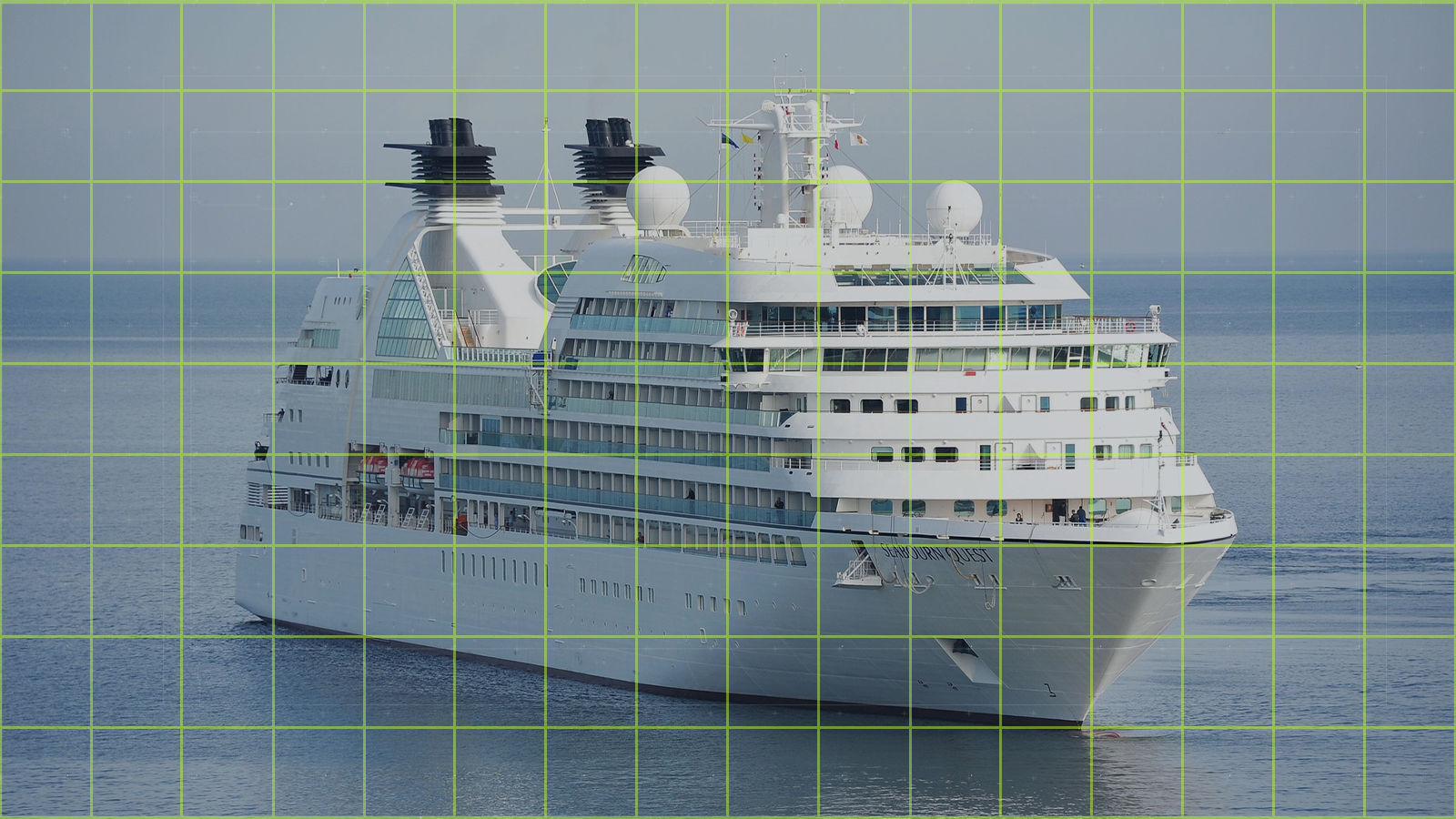
According to the WODC, no private security has been deployed under the act since 2023, and the researchers say its impact cannot really be determined.[1]
How the law works in practice
The WODC states that private armed security is allowed only if the Ministry of Defence cannot itself provide a military Vessel Protection Detachment (VPD), among other conditions. In practice, it says, Defence can decide an area is too unsafe for its VPDs, and under the current interpretation of the act shipping companies then may not use private security either. For that reason, the WODC says, no private security has been deployed since 2023.[1]
Findings
The WODC reports that the researchers found the short period made the law's impact hard to measure, and that parts of the oversight process have not been used because no incidents between private guards and pirates occurred. Parties involved saw benefits, including lower security costs and more flexibility.[1]
The evaluation also identified obstacles. Insurers often require ships passing the Horn of Africa to have permission for armed security, and the piracy threat in the area is increasing. The Netherlands sets relatively high requirements for certifying and deploying private maritime security compared with other maritime countries, and oversight is limited because the vessels guards use for storing weapons and logistics do not fly the Dutch flag.[1]
Recommendations
The researchers recommend exercising the whole process with all parties through scenarios, revising the prevailing interpretation that a VPD must be deployed first, and at a minimum making decisions on VPD deployment more transparent. They also recommend regulating oversight of the supporting foreign vessels and aligning the act's requirements more closely with the international private maritime security market.[1]
The record
- Event type
- Official action or statement[1]Stated by WODC, official account, Nov 3, 2026
- Means
- None[1]
- Occurred, start
- Nov 3, 2026[1]Stated by WODC, official account, Nov 3, 2026
- First reported
- Nov 3, 2026The date of the earliest cited source
- Primary place
- Netherlands (country)[1]Stated by WODC, official account, Nov 3, 2026
Each value is what a cited source stated, with its source number. Where sources give different figures, the latest official account is listed first and every other figure is listed with it. A figure for one part of an event, such as one strike in a campaign, is listed as that part and never as the total.
Case and outcome record
| Date | Stage | Who | Court, office or agency | As the source states it |
|---|---|---|---|---|
| Nov 3, 2026 | Official report or review released | WODC | Evaluation report published: Veilig varen door woelige wateren - Een evaluatie van de Wet ter Bescherming Koopvaardij[1] |
One row per stage for each person, as sources report it. A stage a source only expects is not listed until it happens.
IPR records what each source says and who said it. A cited statement shows that a source said it, not that it is true. Hover a number to see the exact words quoted from that source. See something wrong? Use a flag to report it.