U.S. and international partners disrupt Gootloader malware infrastructure
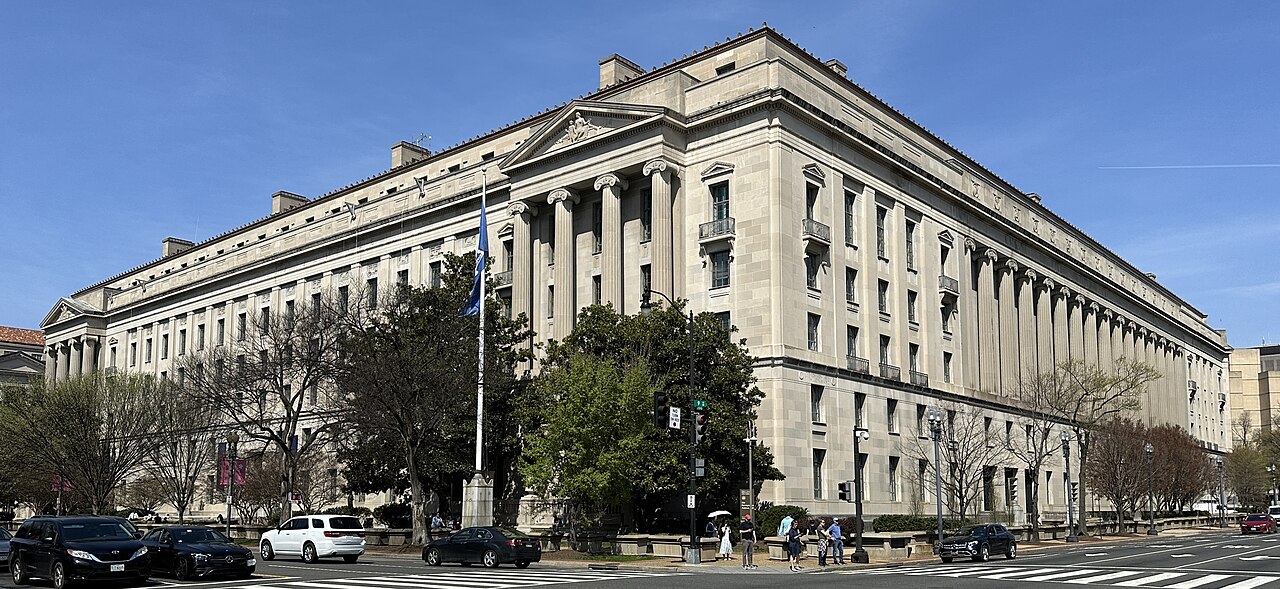
The U.S. Department of Justice said on November 12, 2026 that it had removed Gootloader malware from over 100 servers and seized U.S. domain names used to deliver and control it, in an operation coordinated with the multinational Operation Endgame. The department said the malware had been used in ransomware attacks on at least 44 U.S. victims with about $28.8 million in losses.[1]
What the Justice Department says
The Justice Department said Gootloader has infected at least 25,000 computers worldwide since 2018. Assistant Attorney General A. Tysen Duva said the court-authorized operation freed over 100 servers from malicious software, and DCIS Special Agent in Charge Kenneth DeChellis said the malware targeted victims including the U.S. Department of War and the Defense Industrial Base.[1]
According to warrants unsealed that week, as described by the department, the actors behind Gootloader used the botnet to infect computers and then sold access to them to ransomware actors. This is an allegation in warrants; the release names no suspects or charges.[1]
Who carried it out
The department said the investigation was led by DCIS, the FBI's Denver Field Office and the Army Criminal Investigative Division, working with foreign partners. FBI Cyber Branch Operations Director Brett Leatherman said the botnet was disrupted through technical operations, victim notifications and remediation. CCIPS Senior Counsel Thomas Dougherty and Assistant U.S. Attorney Jasand Mock of the District of Colorado are prosecuting the case, the department said, and U.S. Attorney Peter McNeilly called it an example of international partnerships.[1]
The wider Operation Endgame action
BleepingComputer reported that this stage of Operation Endgame, which also targeted the CastleRAT and StealC malware, involved agencies from nine countries with Europol and Eurojust coordinating, and seized 257 domains and 235 servers. Europol, as quoted by BleepingComputer, said over 6 million victim credentials were identified in the criminal infrastructure.[2]
Accounts of Gootloader's history differ: the Justice Department dates its infections to 2018, while BleepingComputer describes it as active since 2020.[1][2]
The record
- Event type
- Official action or statement[1]Stated by U.S. Department of Justice, official account, Nov 12, 2026
- Means
- Cyber[1]
- Target type
- Other[1]
- Occurred, start
- Nov 12, 2026[1]Stated by U.S. Department of Justice, official account, Nov 12, 2026
- First reported
- Nov 12, 2026The date of the earliest cited source
- Primary place
- United States (country)[1]Stated by U.S. Department of Justice, official account, Nov 12, 2026
- Damage or cost
- approximately $28.8 million in loss[1]Stated by U.S. Department of Justice, official account, Nov 12, 2026
Each value is what a cited source stated, with its source number. Where sources give different figures, the latest official account is listed first and every other figure is listed with it. A figure for one part of an event, such as one strike in a campaign, is listed as that part and never as the total.
IPR records what each source says and who said it. A cited statement shows that a source said it, not that it is true. Hover a number to see the exact words quoted from that source. See something wrong? Use a flag to report it.