Algeria approves sending troops to Niger, its first foreign deployment since 1973
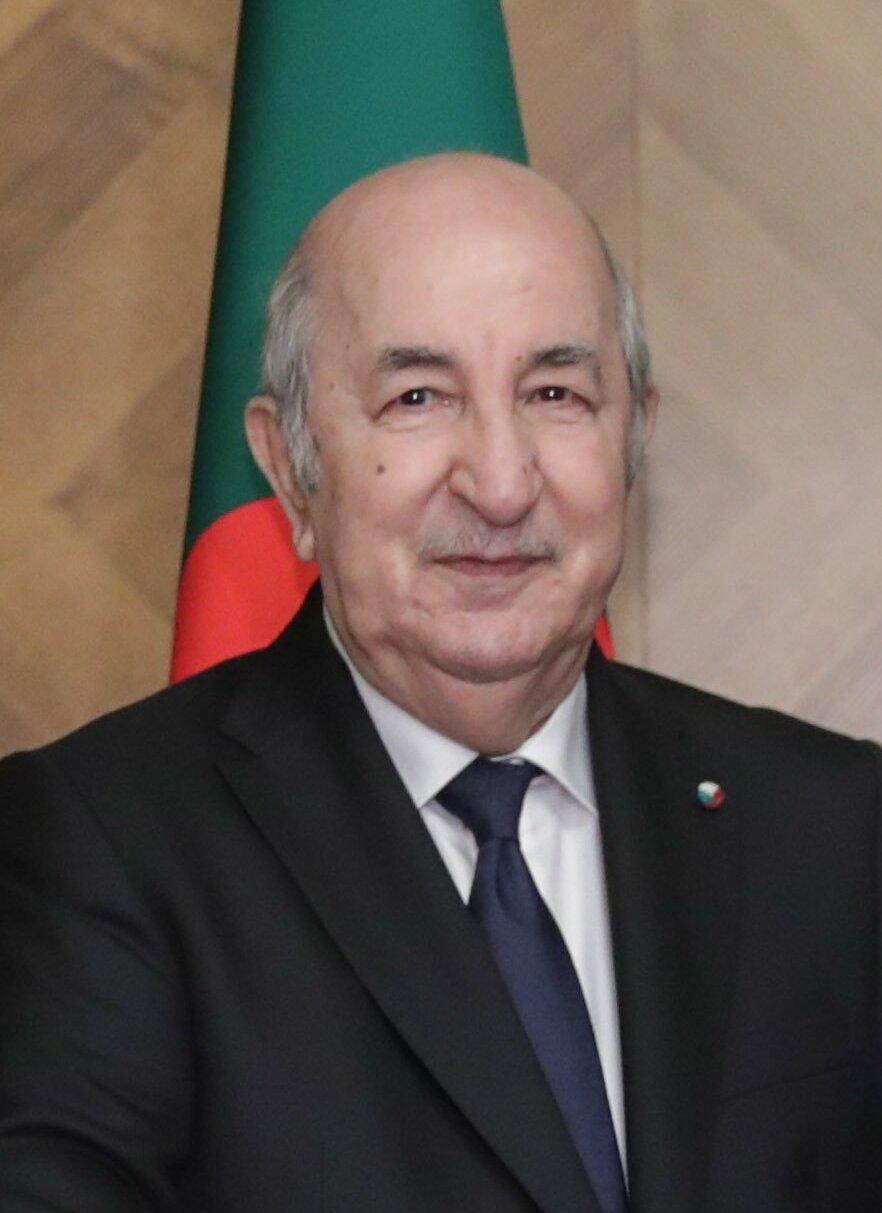
Both chambers of Algeria's parliament approved sending troops to Niger on Sunday, October 25, 2026, and the presidency announced the next day that President Abdelmadjid Tebboune had ordered the deployment to protect energy and economic interests shared by both countries. The presidency said Niger's authorities had requested military assistance.[1][2][3]
France 24 reported that it will be Algeria's first deployment abroad since 1973. The number of soldiers and the timing have not been announced.[2][3]
Background
Al Jazeera and Reuters reported that tensions between Algeria and its Sahel neighbors deepened in April 2025 after Algerian forces shot down a Malian drone near the border, and that Niger has been led by General Abdourahamane Tiani since a 2023 coup that Algeria initially condemned.[3]
Al Jazeera reported that Algeria's Ministry of Defence said it sent warplanes to Niger in August 2026 at the request of Nigerien authorities. In a televised address on October 3, Tebboune said Algeria would protect Niger no matter what, and said that some were seeking to destroy agreements reached with Niger in oil, mining and other sectors, without naming them.[1][2]
France 24 reported, citing Algerian reports, that the two countries signed a military cooperation protocol during a visit by Niger's Defence Minister Salifou Modi, with no details given.[2]
The vote and the order
Al Jazeera reported that the upper house, the Council of the Nation, approved the deployment unanimously. A legislator told AFP all 148 members in attendance voted for it, and the lower house said it voted by an absolute majority without giving numbers.[1][2]
Al Jazeera reported that under Article 91 of the constitution, adopted in a 2020 revision, the president may authorize deployments abroad with the backing of at least two-thirds of each chamber. The presidency announced Tebboune's order on Monday, October 26.[4][3]
Senator Belkacem Boulghiti told reporters after the vote that Algeria was not sending soldiers to wage war in Niger but for a mission to secure economic infrastructure.[4]
Where and why
The Critical Threats Project, citing Reuters, wrote that the resolution explicitly authorized deployment to Madama in northern Niger. That detail has not yet been read in an Algerian official source.[5]
France 24 reported that the two countries are working on the Trans-Saharan Gas Pipeline to carry Nigerian gas through Niger to Europe. The Critical Threats Project assessed that the deployment likely aims to advance shared economic and security objectives and is part of a strategy to outcompete Morocco and the eastern Libyan Haftar regime.[2][5]
Researcher Abdellah Akir told AFP the decision marks a historic break with Algeria's doctrine of non-intervention and sends a signal to competing actors including Morocco and the United Arab Emirates. Al Jazeera reported that Algeria cut diplomatic ties with the UAE in September. Analyst Geoff Porter told AFP the move was illustrative of a shift in Algerian policy.[2][4]
What the first record did not show
Open questions as of Nov 3, 2026, when IPR first recorded this story. Updates since then may answer some of them.
- How many troops will go and when.
- Whether any troops have arrived in Niger.
- The terms of the military cooperation protocol.
The record
- Event type
- Official action or statement[3]Stated by Al Jazeera and Reuters, official account, Oct 26, 2026
- Means
- None[3]
- Target type
- Other[3]
- Occurred, start
- Oct 25, 2026[1]Stated by Al Jazeera, official account, Oct 25, 2026
- Occurred, end
- Oct 26, 2026[3]Stated by Al Jazeera and Reuters, official account, Oct 26, 2026
- First reported
- Oct 25, 2026The date of the earliest cited source
- Primary place
- Niger (country)[3]Stated by Al Jazeera and Reuters, official account, Oct 26, 2026
- Next expected milestone
- Announcement of troop numbers and deployment date[3]Stated by Al Jazeera and Reuters, independent analysis, Oct 26, 2026
Each value is what a cited source stated, with its source number. Where sources give different figures, the latest official account is listed first and every other figure is listed with it. A figure for one part of an event, such as one strike in a campaign, is listed as that part and never as the total.
IPR records what each source says and who said it. A cited statement shows that a source said it, not that it is true. Hover a number to see the exact words quoted from that source. See something wrong? Use a flag to report it.