North Korea says it tested a dispersal warhead for a strategic cruise missile
North Korea says it tested a strategic cruise missile carrying a dispersal warhead on Monday, November 2, 2026, according to its state news agency KCNA as reported by Yonhap and Reuters. The report came days after a reported cluster bomb test for tactical ballistic missiles.[1][2]
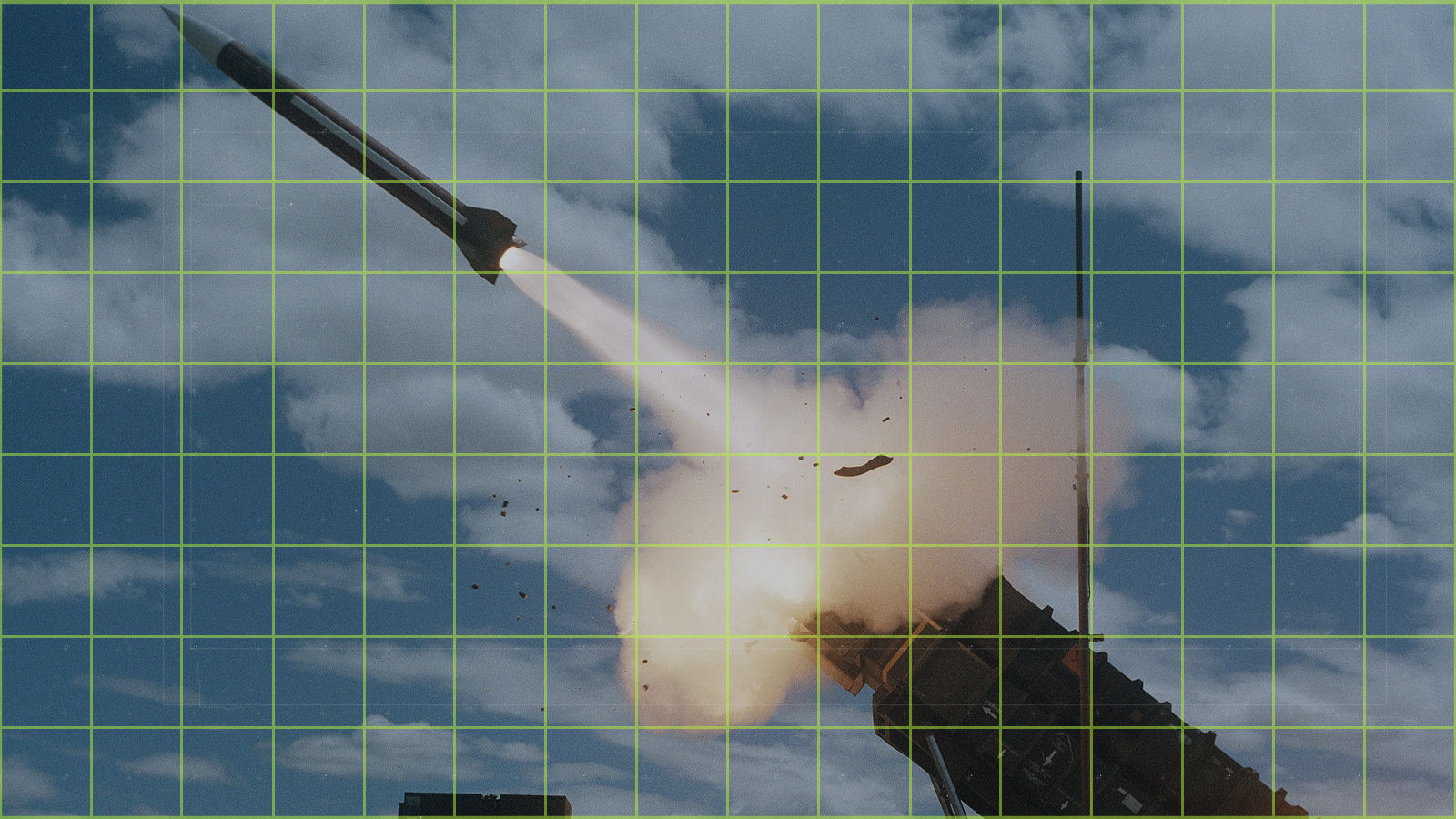
South Korea's military declined to confirm the launch. The record rests on North Korean state media; no independent source in the record confirms the test or its claimed results.[3]
What North Korea says
According to KCNA, as reported by Yonhap, the Missile Administration conducted the test to assess the warhead's power and the missile's vertical strike capability. Yonhap quoted KCNA as saying the medium-sized warhead can destroy a target area of 5 to 6 hectares; Stars and Stripes reported the same claim as 12 to 15 acres.[1][3]
Stars and Stripes reported that Gen. Kim Jong-sik said in the KCNA report that developing a variety of weapons systems is more urgent than ever. Yonhap reported that North Korea tested a cluster bomb for tactical ballistic missiles on October 31 and has vowed to field various cluster warheads by the end of the year.[3][1]
South Korean and US responses
Stars and Stripes reported that South Korea's military declined to confirm the launches. Joint Chiefs of Staff spokesperson Capt. Jang Do-young said detection of long-range cruise missile launches may be limited in some circumstances, and told reporters that South Korea already has precision strike capabilities exceeding what the North asserts.[3][1]
The US command in Hawaii told Stars and Stripes it does not discuss intelligence collection capabilities, detection timelines or operational assessments in detail.[3]
Expert views
Yonhap reported that experts said North Korea appears to be seeking the means to strike South Korean underground facilities precisely. Shin Jong-woo of the Korea Defense and Security Forum told Yonhap that a vertical strike maximizes destructive power by using the acceleration of gravity.[1]
The record
- Event type
- Other[1]Stated by Korean Central News Agency, via Yonhap, official account, Nov 3, 2026
- Means
- None[1]
- Target type
- Other[1]
- Occurred, start
- Nov 2, 2026[2]Stated by Reuters, reporting KCNA, official account, Nov 3, 2026
- First reported
- Nov 3, 2026The date of the earliest cited source
- Primary place
- North Korea (country)[1]Stated by Yonhap News Agency, official account, Nov 3, 2026
Each value is what a cited source stated, with its source number. Where sources give different figures, the latest official account is listed first and every other figure is listed with it. A figure for one part of an event, such as one strike in a campaign, is listed as that part and never as the total.
IPR records what each source says and who said it. A cited statement shows that a source said it, not that it is true. Hover a number to see the exact words quoted from that source. See something wrong? Use a flag to report it.