Putin describes Russia's Rassvet satellite network as a first step as launches and losses continue
Russian President Vladimir Putin said on October 28, 2026, that Russia's Rassvet satellite system, which TASS described as similar to Starlink, is only a first step and that Russia now needs to move from quality to quantity, according to TASS. He also called Elon Musk brilliant and said Russia works closely with its American partners on space.[1]
The system is officially intended for civilian use, Novaya Gazeta Europe reported, while The Guardian reported that Russia is developing it for its military to use against Ukraine. Meduza reported on November 2 that a second Rassvet satellite had apparently burned up in the atmosphere.[2][3][4]
First launch in March 2026
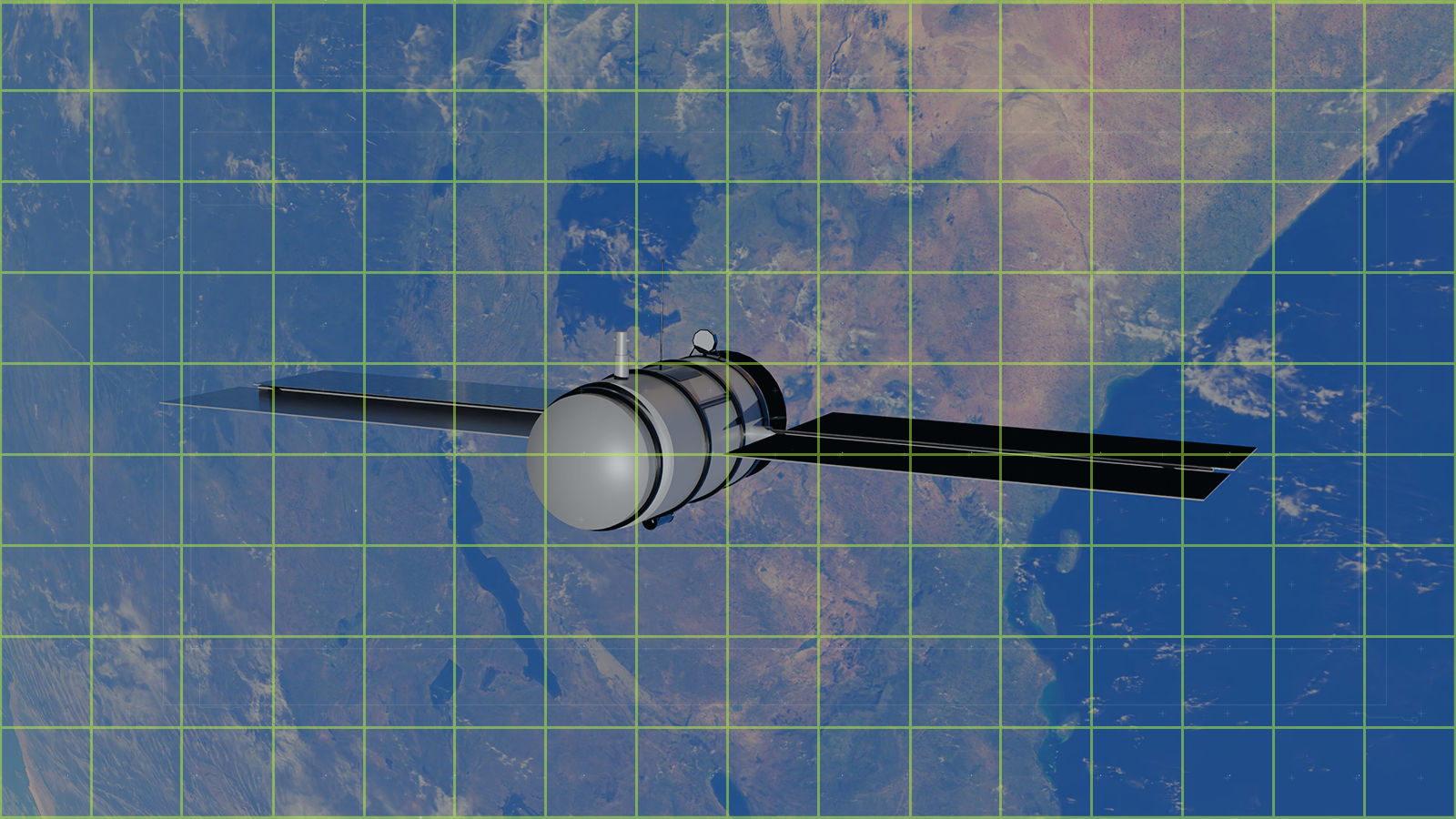
Novaya Gazeta Europe, citing aerospace company Bureau 1440, reported that Russia launched its first 16 Rassvet internet satellites on the evening of March 23, 2026. Bureau 1440 said the launch marked a transition from the experimental phase to developing a communications service.[2]
The same outlet reported that the system is officially intended for civilian use and that, under the official project timeline, 172 satellites are to be launched by the end of 2026. It also reported that experts believe the Kremlin is now more interested in the project's military applications, and that in February Elon Musk had restricted Starlink use in Ukraine to exclude terminals acquired illegally by Russian forces.[2]
Ukrainian intelligence assessment
In August 2026, LIGA.net, citing an interview with RBC-Ukraine, reported that Vadym Skibitsky, deputy head of Ukraine's Main Intelligence Directorate, said the Rassvet satellites could for now operate only intermittently, when a satellite passes over Ukrainian territory. LIGA.net reported that he said Russia plans 292 satellites by 2027 and 924 by 2035. Meduza separately reported that Russian Deputy Prime Minister Dmitry Grigorenko said in 2025 that the constellation should have 292 operational satellites by 2027.[5][4]
Putin's remarks on October 28
Speaking at an exhibition on the sidelines of the Russia-Africa summit in Moscow, Putin said Rassvet is only Russia's first step and that Russia is proud to be building it on its own, according to TASS. He said the quality is there and that Russia now needs to move from quality to quantity.[1]
Putin called Musk brilliant and said, according to TASS, that Russia and its American partners work closely on space despite political issues, because operators in orbit must not interfere with each other. TASS reported Putin as saying Musk has more than 5,000 satellites in orbit; The Guardian reported that the number of active SpaceX satellites is estimated at about 10,000. The record contains no response from Musk, SpaceX or US officials to Putin's statement about cooperation.[1][3]
Satellite losses and constellation size
Meduza reported on November 2 that Rassvet-3-17, launched on July 19, 2026, from the Plesetsk Cosmodrome with 15 other spacecraft, apparently burned up in the atmosphere, with its last records dated October 29. Meduza based this on reporting by the Ukrainian outlet Defence Express and independent trackers using NORAD catalog data. It reported that another satellite, Rassvet-3-23, began gaining altitude after October 20.[4]
Meduza reported that the main constellation now has 30 spacecraft remaining, most at an intermediate 500-kilometer orbit, and that there is so far only extremely unreliable evidence of communication tests through the satellites. The Guardian, on October 28, gave an estimate of 26 working satellites and described the system's capacity as limited. No operator count was found.[4][3]
What the first record did not show
Open questions as of Nov 6, 2026, when IPR first recorded this story. Updates since then may answer some of them.
- How many Rassvet satellites are working, according to the operator.
- Whether Musk, SpaceX or US officials confirm the contact Putin described.
- Whether Rassvet has been used by the Russian military.
The record
- Event type
- Official action or statement[1]Stated by TASS, official account, Oct 28, 2026
- Occurred, start
- Oct 28, 2026[1]Stated by TASS, official account, Oct 28, 2026
- First reported
- Mar 24, 2026The date of the earliest cited source
- Primary place
- Moscow (city)[3]Stated by The Guardian, independent analysis, Oct 28, 2026
Each value is what a cited source stated, with its source number. Where sources give different figures, the latest official account is listed first and every other figure is listed with it. A figure for one part of an event, such as one strike in a campaign, is listed as that part and never as the total.
Case and outcome record
| Date | Stage | Who | Court, office or agency | As the source states it |
|---|---|---|---|---|
| Oct 28, 2026 | Incident | Office of the President of Russia | Putin said Rassvet is only Russia's first step and Russia now needs to move from quality to quantity[1] |
One row per stage for each person, as sources report it. A stage a source only expects is not listed until it happens.
IPR records what each source says and who said it. A cited statement shows that a source said it, not that it is true. Hover a number to see the exact words quoted from that source. See something wrong? Use a flag to report it.