IPR's coverage so far records military uses of drones, satellites and AI-adjacent systems across Japan, the Philippines, Taiwan, Russia, Ukraine and the United States, with several key details still undisclosed or disputed.
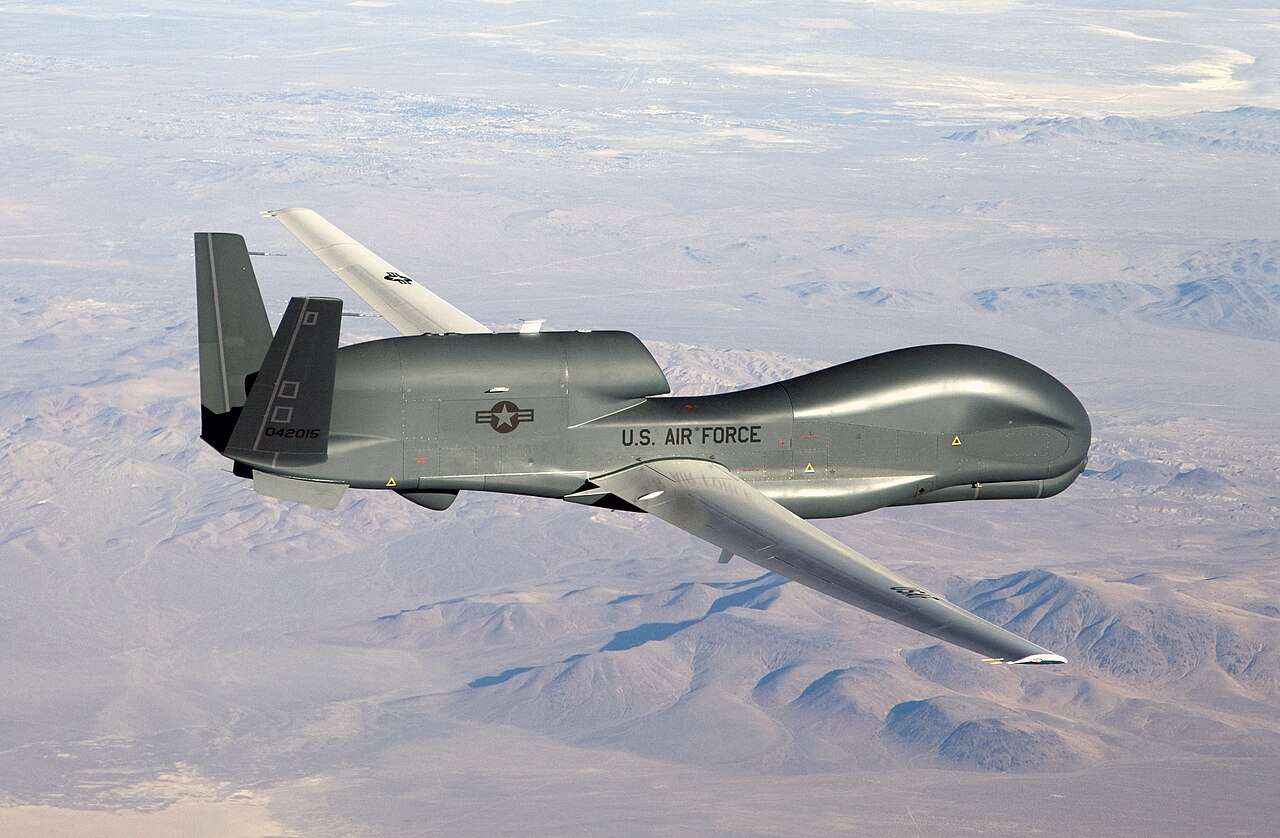
The earliest items concern a Japan Air Self-Defense Force RQ-4B Global Hawk that went down in the Sea of Japan on September 15, 2026, after taking off from Misawa Air Base. Aviation Wire reported that salvage work ended on October 23, and that a communication device connection fault occurred before the crash, though its link to the crash has not been established. The cause has not been announced, and AP reported no indication of foul play[1]. Separately, Breaking Defense reported on September 23 that the Defense Department had agreed to give SpaceX exclusive access to closely held space tracking data. A Space Force official told the outlet that a contract was signed with the Joint Commercial Operations Cell in exchange for data from SpaceX's Stargaze cameras[6].
In the same period the record shows the Space Force spokesperson saying that the exchanges involve no classified information and a subset of data already shared with the Commerce Department. Breaking Defense updated its story on September 30 to say the information is controlled unclassified information. The Guardian reported on October 25 that the military had given SpaceX access to restricted tracking data[6]. In October, Ukrainian officials reported that speed restrictions on SpaceX service cut connectivity for drones moving faster than about 100 miles per hour, with service reported normal by October 24. A November 2 CSIS analysis said who ordered the restriction remains in dispute, with conflicting accounts from U.S. officials, Elon Musk and press reports[7].
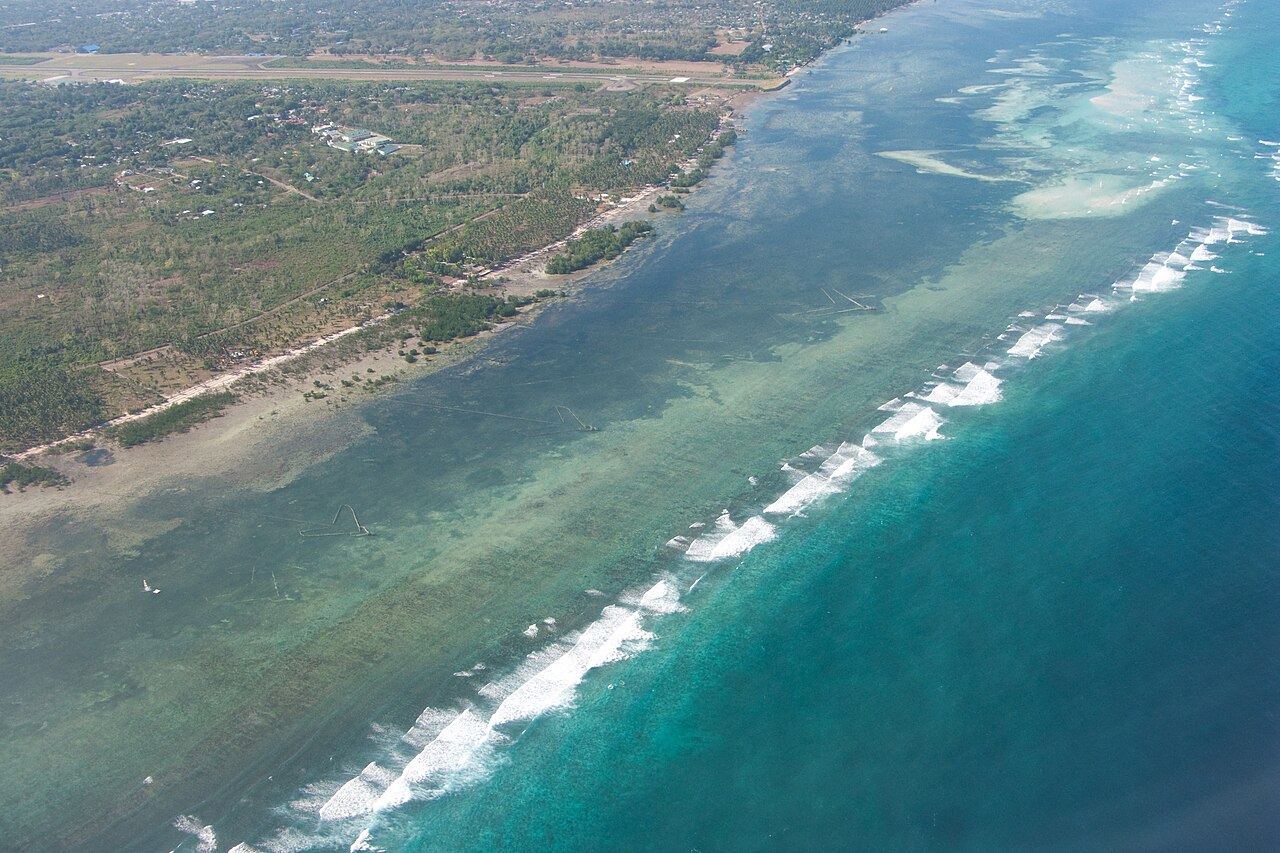
Other October items record drone and satellite activity in several regions. Marines tested the Neros Archer one-way attack drone at Camp Fuji on October 20, which the range control officer said was the first use of the system there[2]. Taiwan's Ocean Affairs Council said on October 26 that a funded research team had completed a 20-drone flight simulation, with further tests planned. The record does not show an operational swarm[5]. USNI News reported on October 28, citing a logistics document, that a Marine drone detachment is operating from Palawan near the Spratly Islands. The Marine Corps did not answer its questions, and the arrival date, aircraft numbers and personnel strength have not been disclosed[4].
On Russia, Putin said on October 28 that the Rassvet satellite system is only a first step and that Russia must move from quality to quantity, according to TASS. Novaya Gazeta Europe reported it is officially for civilian use, while The Guardian reported that it is being developed for military use against Ukraine. Meduza reported on November 2 that a second Rassvet satellite had apparently burned up in the atmosphere[3].
Written Nov 12, 2026 from the stories below.