Poland says it prevented a possible provocation on the Kaliningrad border
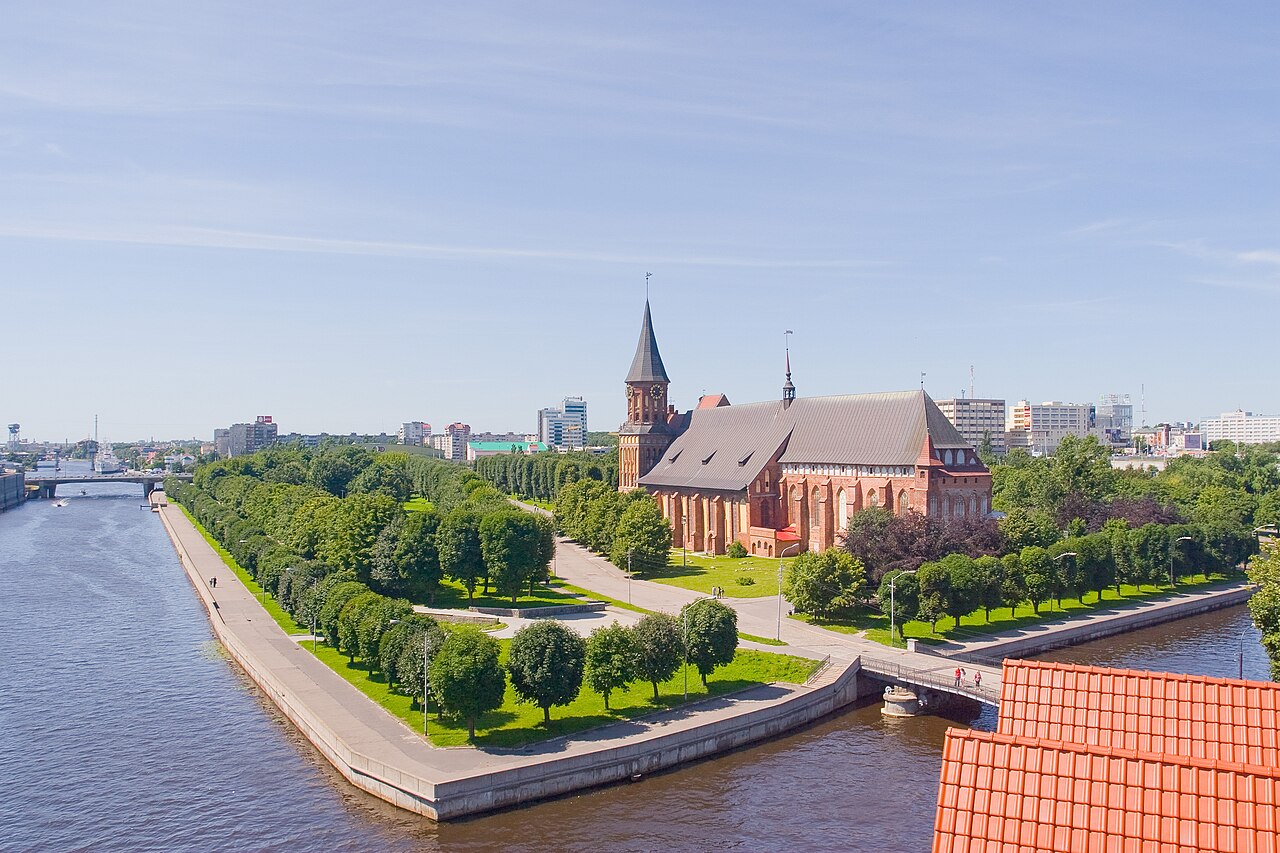
Polish Prime Minister Donald Tusk said on November 3, 2026 that Poland had prevented what appeared to be an attempted provocation on its border with Russia's Kaliningrad exclave overnight, after border guards reported disturbing movement and individuals with flashlights in the border area. The Associated Press reported that Tusk said it was not possible to confirm with full certainty that the incident was an attempted provocation.[1]
In the sources read, no Polish authority had said who the people seen near the border were, and The FINANCIAL reported on November 5 that Russia had not publicly accepted responsibility.[2][3]
Warnings and a police operation
Notes from Poland reported that the deputy police commander had ordered officers to be on full readiness between 2 and 8 November. Polish police said in a statement quoted by the outlet that the order was related to current threats of sabotage and subversion, and denied that it was connected with the dispute over the Constitutional Tribunal.[4]
On November 2, national police chief Marek Boroń told broadcaster RMF, as quoted by Notes from Poland, that police were putting security measures in place around the Kaliningrad region in anticipation of possible incidents that could lead to sabotage. The outlet reported that additional officers, including counter-terrorism forces, were sent to the Podlasie and Warmia-Masuria provinces.[4]
Notes from Poland also reported that RMF, citing unnamed sources, said Poland's Military Intelligence Service and agencies of unnamed allied countries had warned that sabotage could take place on the Polish-Russian border. That report rests on unnamed sources.[4]
The overnight report
Speaking on November 3, Tusk said that just after midnight he had received information from the border guards that disturbing movement had been observed on the Polish-Russian border. The Associated Press reported that he gave few details but said individuals with flashlights had been observed in the border area.[1]
Tusk said Polish and allied services had warned for some time that acts of diversion, more serious provocations or sabotage orchestrated by hostile services could occur on the border with Russia. The AP reported that he said additional police and troops were sent to the north-east after more precise information that sabotage, including a possible incursion by armed people, was possible in the first half of November, and that he had received further warnings from Gen. Alexus Grynkewich, NATO's Supreme Allied Commander in Europe.[1]
Tusk said a special operation headquarters had been set up at National Police Headquarters for the operation in Warmia-Masuria and Podlasie, and a police spokesperson told the AP that the preventive measures were being carried out in those two regions.[5][1]
What officials said about certainty
The AP reported that Tusk said it was not possible to confirm with full certainty that the incident was an attempted provocation. Tusk also said it was not the case that tragic events had been avoided overnight, but that authorities had to remain very focused. The Moscow Times reported that he gave no further details about the incident or about who the individuals were suspected to be.[1][5][2]
The FINANCIAL reported on November 5 that the Border Guard's public account was narrower: people with flashlights were seen on the Russian side of the border and no crossing attempt was confirmed. That is the outlet's description; the Border Guard statement itself was not read for this record. The same outlet reported that Russia had not publicly accepted responsibility. The record shows that Polish officials described a possible provocation and a security response; it does not establish who the people near the border were or what they intended.[3]
The defence ministry and the special forces
Deputy Defence Minister Cezary Tomczyk told Onet on November 3 that Poland had very specific information about particular places, times and the possible infiltration of reconnaissance and sabotage groups, and that the Security Committee had been informed that day of an incident overnight. He said the current activity of the Special Forces in Warmia-Masuria province was training.[6]
OKO.press reported that, according to Onet, the preventive action may be connected with a Belarusian KGB operation on Telegram. Asked by Onet whether recent Telegram content was the direct trigger for the operation, Tomczyk said he could not confirm that. OKO.press also reported that the command of the GROM special forces unit had not confirmed media reports that its troops were sent to the border, saying the military presence was mainly linked to previously planned exercises.[5][6]
Wider context
The Moscow Times reported, citing sources who spoke to Reuters, that the Pentagon had recently urged several NATO allies to temper their public rhetoric toward Russia. That is a second-hand report from unnamed sources.[2]
The record
- Event type
- Official action or statement[1]Stated by Donald Tusk, official account, Nov 3, 2026
- Means
- Not reported[1]
- Target type
- Other[1]
- Occurred, start
- Nov 3, 2026[1]Stated by Donald Tusk, official account, Nov 3, 2026
- First reported
- May 13, 2024The date of the earliest cited source
- Primary place
- Kaliningrad (region)[1]Stated by Associated Press, official account, Nov 3, 2026
Each value is what a cited source stated, with its source number. Where sources give different figures, the latest official account is listed first and every other figure is listed with it. A figure for one part of an event, such as one strike in a campaign, is listed as that part and never as the total.
Case and outcome record
| Date | Stage | Who | Court, office or agency | As the source states it |
|---|---|---|---|---|
| Nov 3, 2026 | Incident | Government of Poland | Tusk said Poland prevented what appeared to be an attempted provocation on the Kaliningrad border, while saying it could not be confirmed with full certainty[1] |
One row per stage for each person, as sources report it. A stage a source only expects is not listed until it happens.
IPR records what each source says and who said it. A cited statement shows that a source said it, not that it is true. Hover a number to see the exact words quoted from that source. See something wrong? Use a flag to report it.