IPR's coverage records late-2026 developments in US and allied defense activity across the Indo-Pacific, including training and deployments, a missile production agreement, a proposed ASEAN framework, and domestic criticism of AUKUS in Australia.
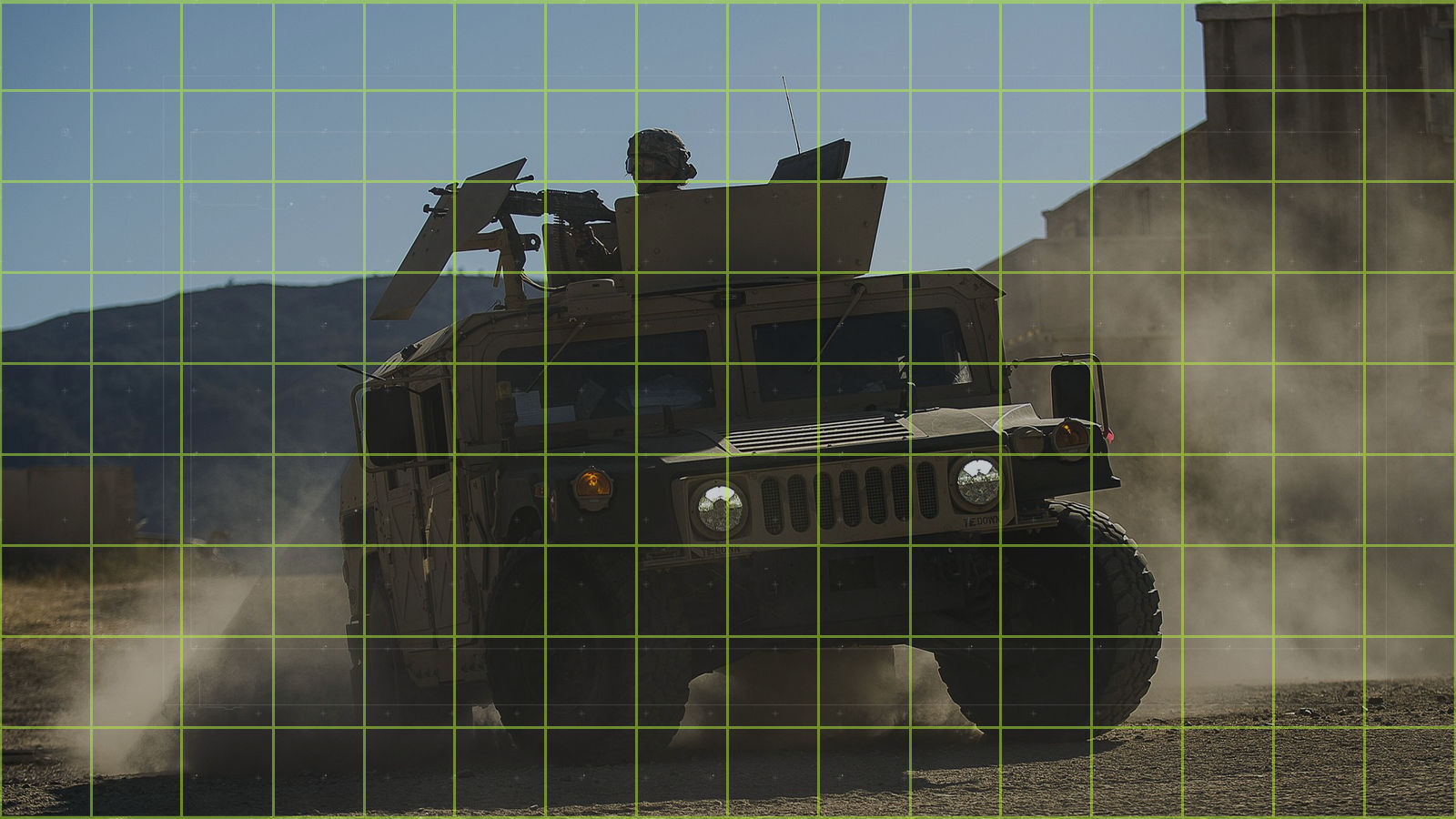
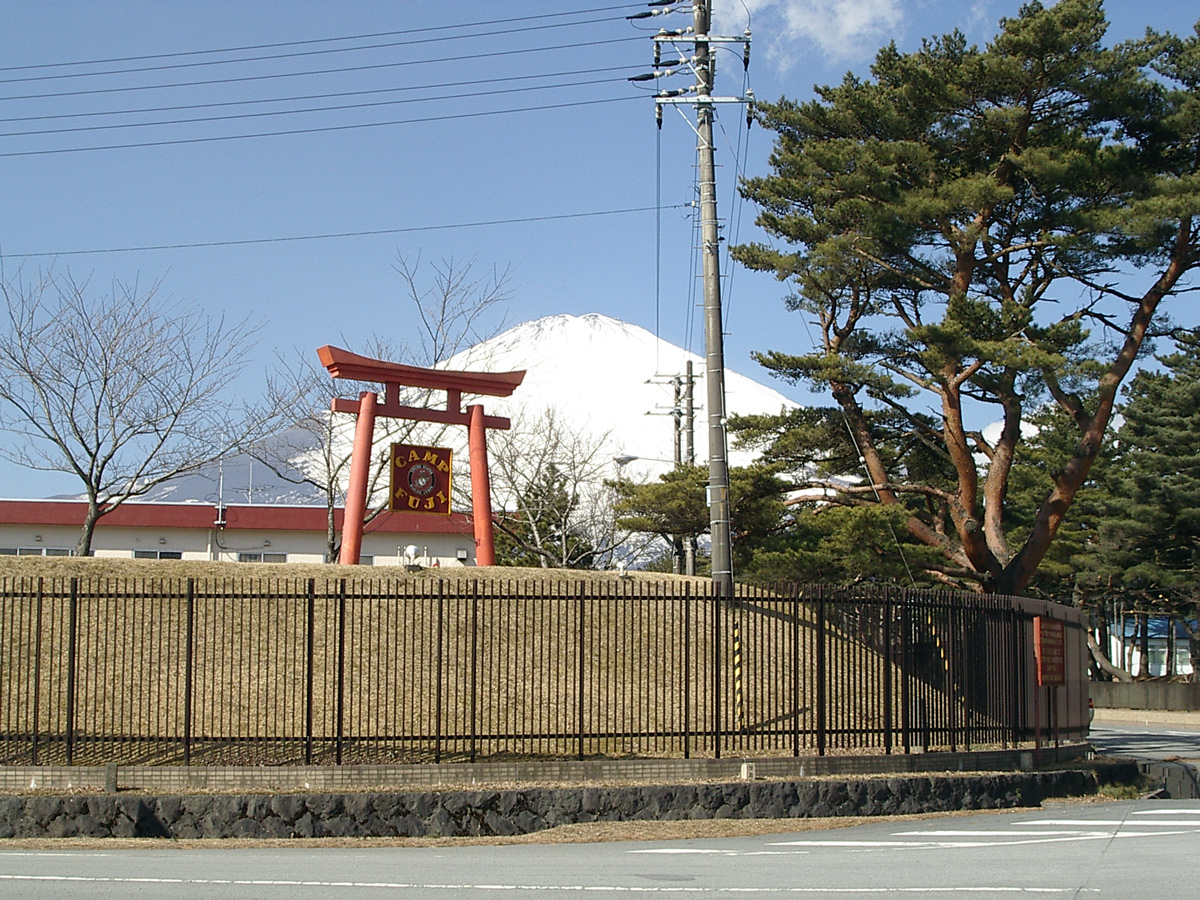
Several items were first reported on October 31, 2026. A Camp Fuji news story said Marines from Battalion Landing Team 1/1, 31st Marine Expeditionary Unit, tested the Neros Archer one-way attack drone during training on October 20, and the range control officer said it was the first use of the system at Camp Fuji[1]. The U.S. Marine Corps said on October 23 that about 2,000 Marines and Sailors of Marine Rotational Force-Darwin 26 had concluded their deployment, which it described as the program's 15th rotation and the first certified as a Special Purpose Marine Air-Ground Task Force[4].
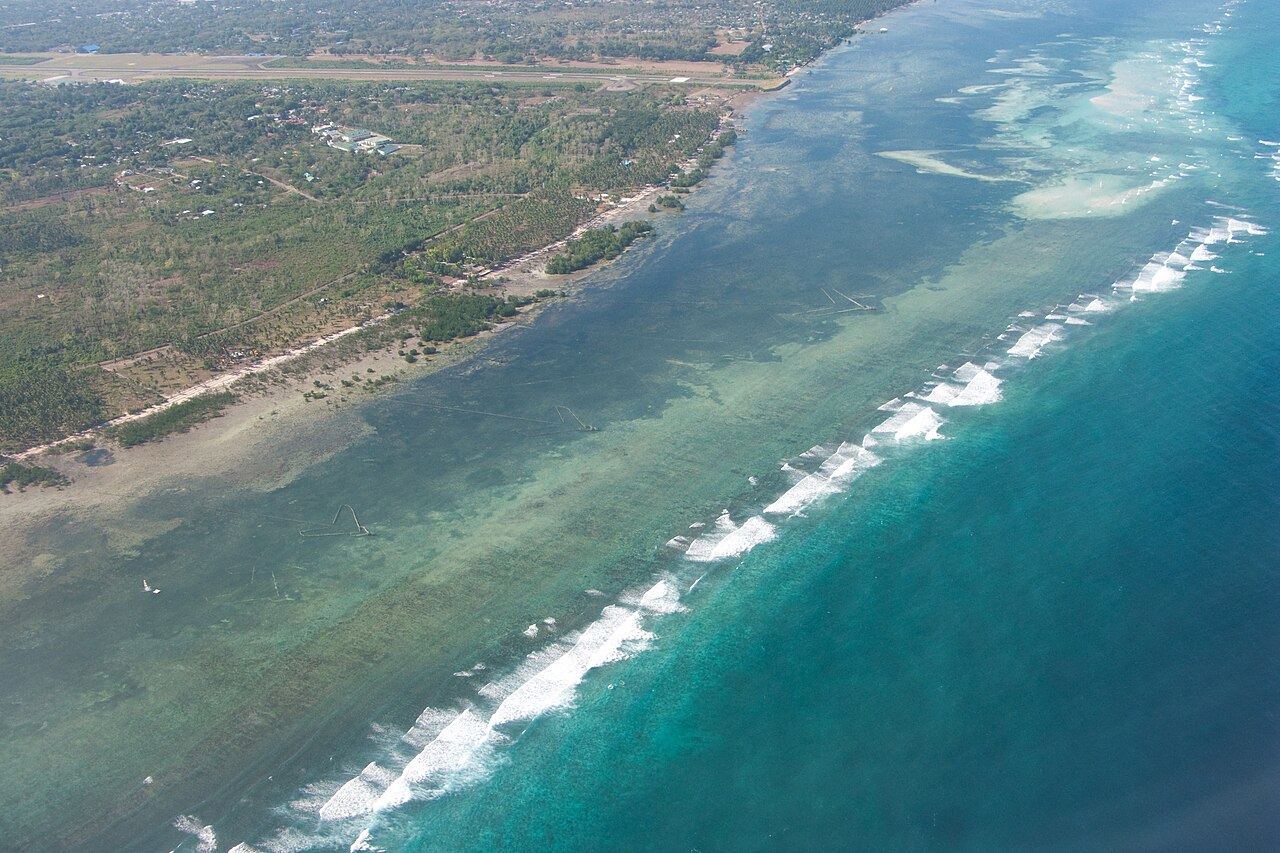
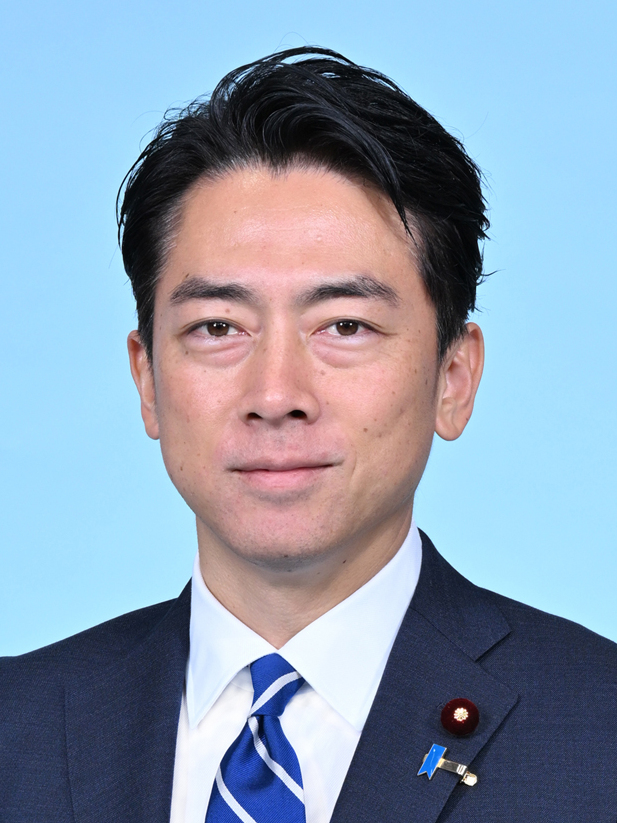
Also on October 28, Japan's Defense Minister Shinjiro Koizumi said Japan and the United States had agreed to set up a final assembly and inspection facility in Japan for the AMRAAM missile, according to the Japanese Defense Ministry's transcript[2]. Air & Space Forces Magazine reported he announced it after meeting Secretary of Defense Pete Hegseth, and that the location has not been announced[2]. The record shows an agreement, not a facility in operation[2]. The same day, USNI News reported, citing a logistics document it reviewed, that a Marine drone detachment from Marine Unmanned Aerial Vehicle Squadron 1 is operating from Antonio Bautista Air Base in Palawan, near the Spratly Islands[3]. The Marine Corps acknowledged but did not answer USNI News requests for information, and the arrival date, aircraft numbers and personnel strength have not been disclosed[3].
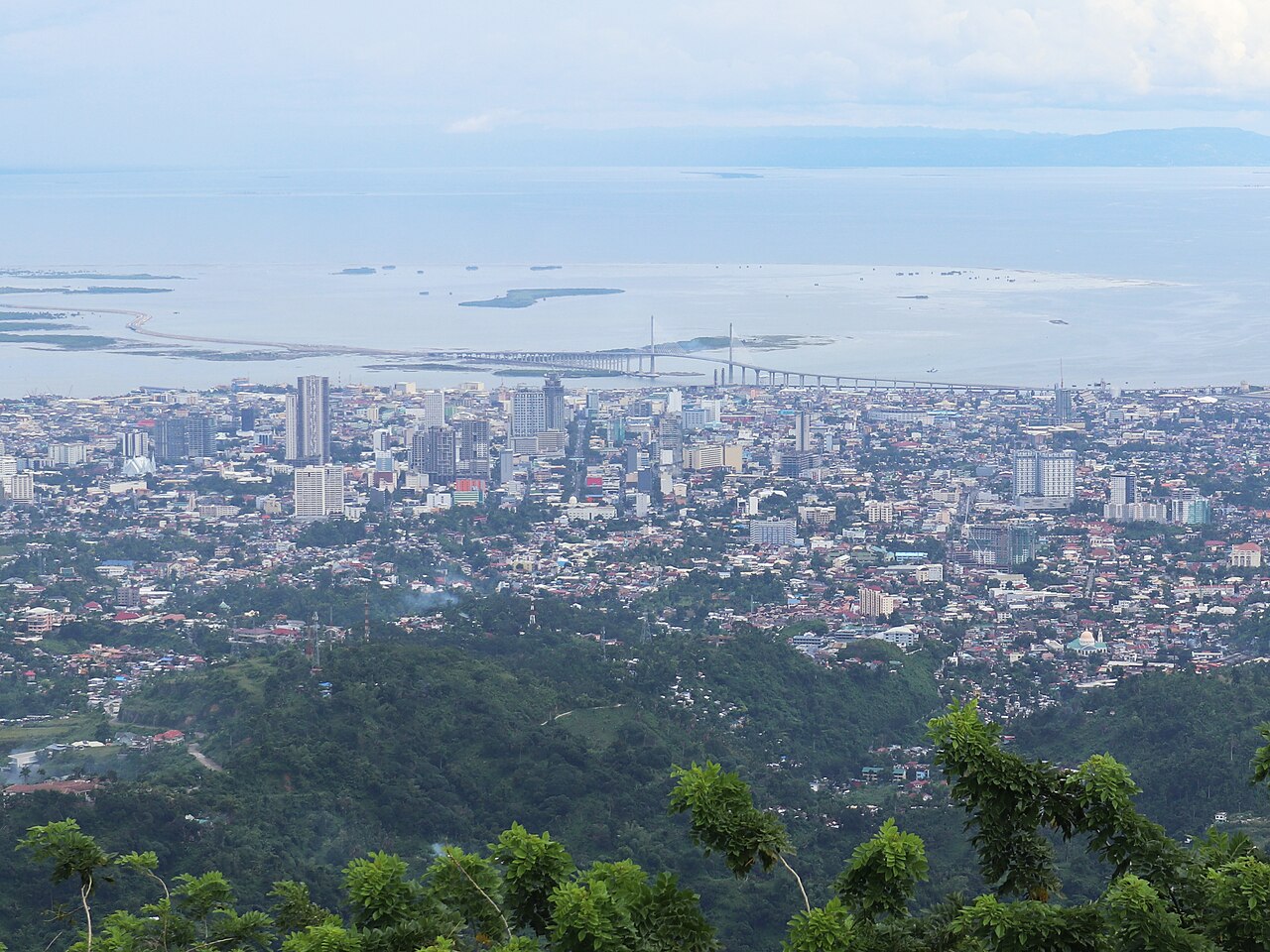
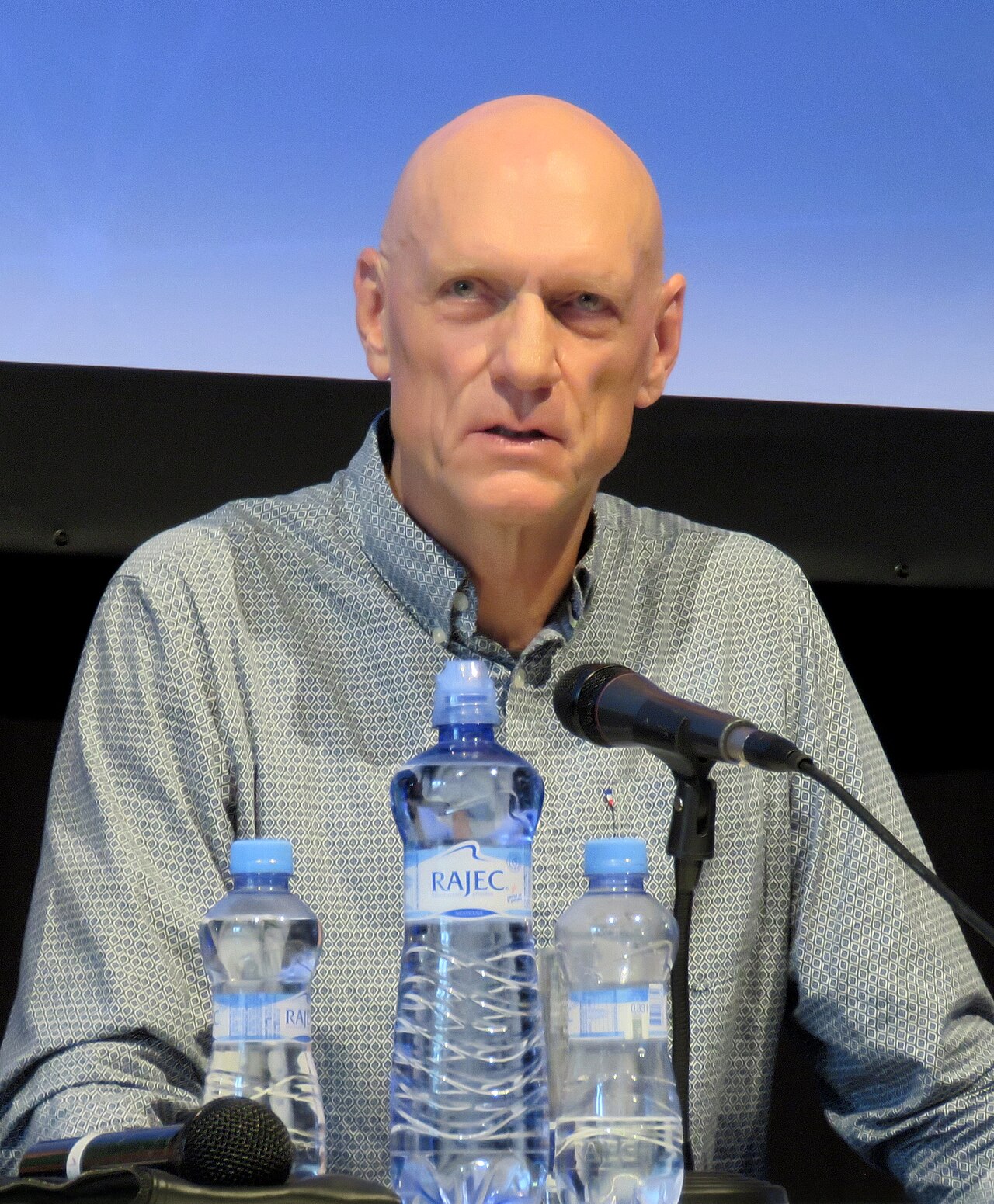
Coverage first reported on November 7 widened to diplomacy and domestic debate. At the ASEAN defence ministers' meetings in Cebu on October 28, Hegseth proposed a US-ASEAN Framework for Defence Cooperation, and Singapore, chair of the ADMM for 2027, said it looks forward to facilitating it[6]. No text has been released, AFP reported Hegseth offered no details, and The Straits Times reported on November 2 that Washington had yet to spell them out[6]. In Australia, a crowd-funded inquiry led by Peter Garrett and Admiral Chris Barrie released a report on November 4 calling AUKUS the worst, riskiest and most costly defence decision ever made by an Australian government, and recommending suspending plans for new bases and holding a royal commission[5]. The Guardian reported that a spokesperson for Defence Minister Richard Marles called AUKUS a core pillar of national security policy, and that ministers dismissed the inquiry as a stitch-up by its critics[5].
Written Nov 11, 2026 from the stories below.