Leaked Russian documents list order for 90 helicopter missile launchers for Iran
On November 5, 2026, the Guardian and the Financial Times published reports based on leaked Russian defence industry documents that list an order for 90 launchers for the LMUR guided missile under an export contract coded K-10, which separate paperwork identifies as Iran. The documents were obtained by Dallas Analytics, a Ukrainian private intelligence firm.[1]
Both newspapers reported that the records do not establish whether the launchers were delivered. The Guardian reported that Moscow has denied supplying military equipment to Iran for use in the current conflict.[1][2]
What the documents show, according to the reports
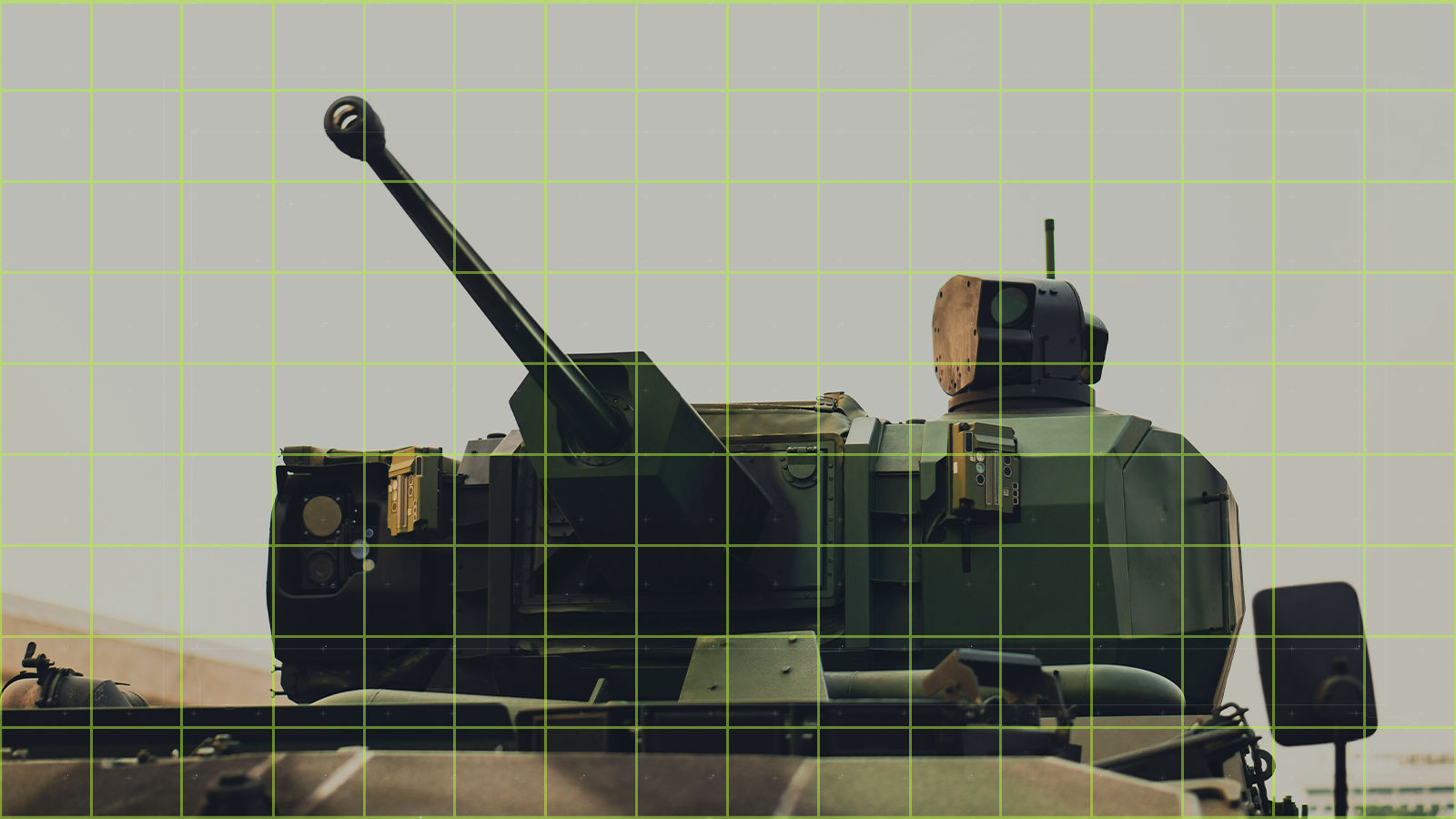
Iran International, summarizing the Financial Times report, said the FT identified an export order for 90 APU-L launchers from a buyer designated K-10, a code Russia's state arms exporter uses for Iran. According to the US Army's Worldwide Equipment Guide, as cited by Iran International, APU-L launchers are designed for Mi-28 attack helicopters and carry two missiles each.[2]
How K-10 is linked to Iran
The Guardian reported that separate internal paperwork explicitly identifies K-10 as Iran, and that a separate schedule listing six Yak-130 jet trainers for Iran in 2023 is consistent with publicly reported deliveries. Dallas Analytics said a 2022 supply request for Yak-130 parts names the consignee as K10 Iran.[1][3]
Dallas Analytics also said photographs showed the first export-variant Mi-28NE helicopters arriving in Iran in January 2026.[3]
What is not established
The Guardian and, as reported by Iran International, the Financial Times both said the records do not establish whether the launchers were ultimately delivered. Dallas Analytics said it has seen no operational deployment or photographic evidence of ground-launched LMURs in Iranian hands, and separately put forward the hypothesis that Russia adapted a new ground-launched version for an export client. The record shows what the leaked schedules list; it does not establish that launchers reached Iran or were used.[1][2][3]
Official positions and reaction
The Guardian reported that Moscow has denied supplying military equipment to Iran for use in the current conflict, and that US President Donald Trump wrote in October that Russia was doing very little, if anything, to help Tehran.[1]
The Jerusalem Post reported that a day before the FT report, the US State Department sanctioned two individuals and an entity based in Belarus, Russia and Nigeria over Iran's efforts to procure man-portable air-defense systems.[4]
Analysts quoted by the Financial Times, as reported by Iran International, differed in emphasis. Nicole Grajewski of the Carnegie Endowment said the order indicated Russia's willingness to keep supplying Iran despite its own wartime demands. Hanna Notte of the James Martin Center for Nonproliferation Studies said Russia's support was operationally helpful but not the game changer in the war.[2]
The record
- Event type
- Other[1]Stated by The Guardian, investigative finding, Nov 5, 2026
- Means
- None[1]
- Target type
- Other[1]
- Occurred, start
- May 28, 2024[3]Stated by Dallas Analytics, investigative finding, Nov 5, 2026
- First reported
- Nov 5, 2026The date of the earliest cited source
- Primary place
- Iran (country)[1]Stated by The Guardian, investigative finding, Nov 5, 2026
Each value is what a cited source stated, with its source number. Where sources give different figures, the latest official account is listed first and every other figure is listed with it. A figure for one part of an event, such as one strike in a campaign, is listed as that part and never as the total.
Case and outcome record
| Date | Stage | Who | Court, office or agency | As the source states it |
|---|---|---|---|---|
| May 28, 2024 | Incident | Vympel | production schedule lists an order for 90 launchers under an export contract designated K-10[3][1] |
One row per stage for each person, as sources report it. A stage a source only expects is not listed until it happens.
IPR records what each source says and who said it. A cited statement shows that a source said it, not that it is true. Hover a number to see the exact words quoted from that source. See something wrong? Use a flag to report it.