IPR's coverage records a confrontation between Iran and the United States, centered on the Strait of Hormuz, with sanctions, reported strikes, diplomatic efforts, war costs and Russian support for Iran all documented through attributed sources.
The earliest article in the record dates from March 2020. The US State Department said on March 18, 2020 that it had blacklisted seven companies in mainland China, Hong Kong and South Africa for trade in Iranian petrochemicals, according to Reuters, in the same week as rocket attacks on Camp Taji in Iraq. The sources report the two events separately, and the record does not establish that the sanctions were a response to the attacks.[1]
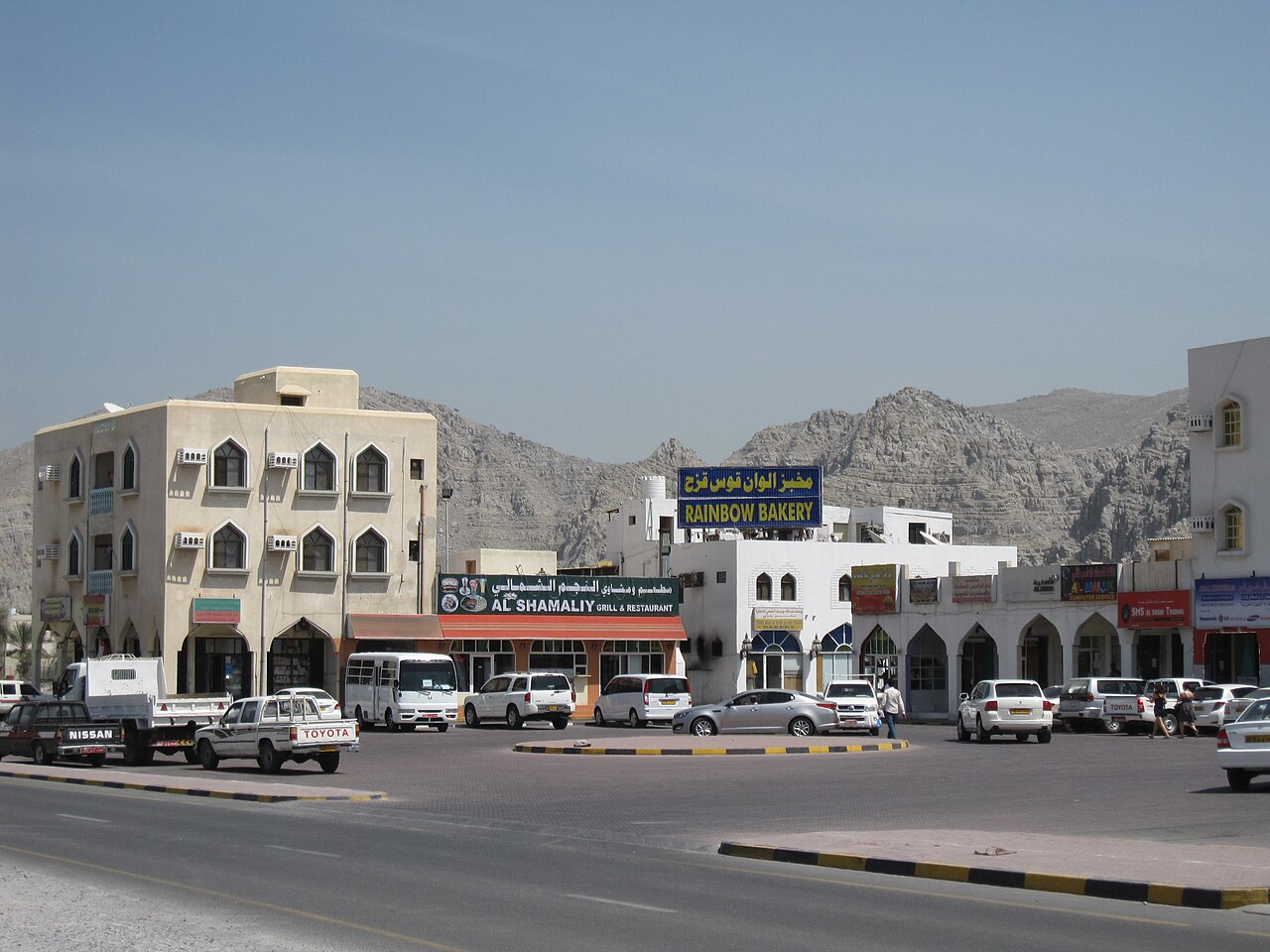
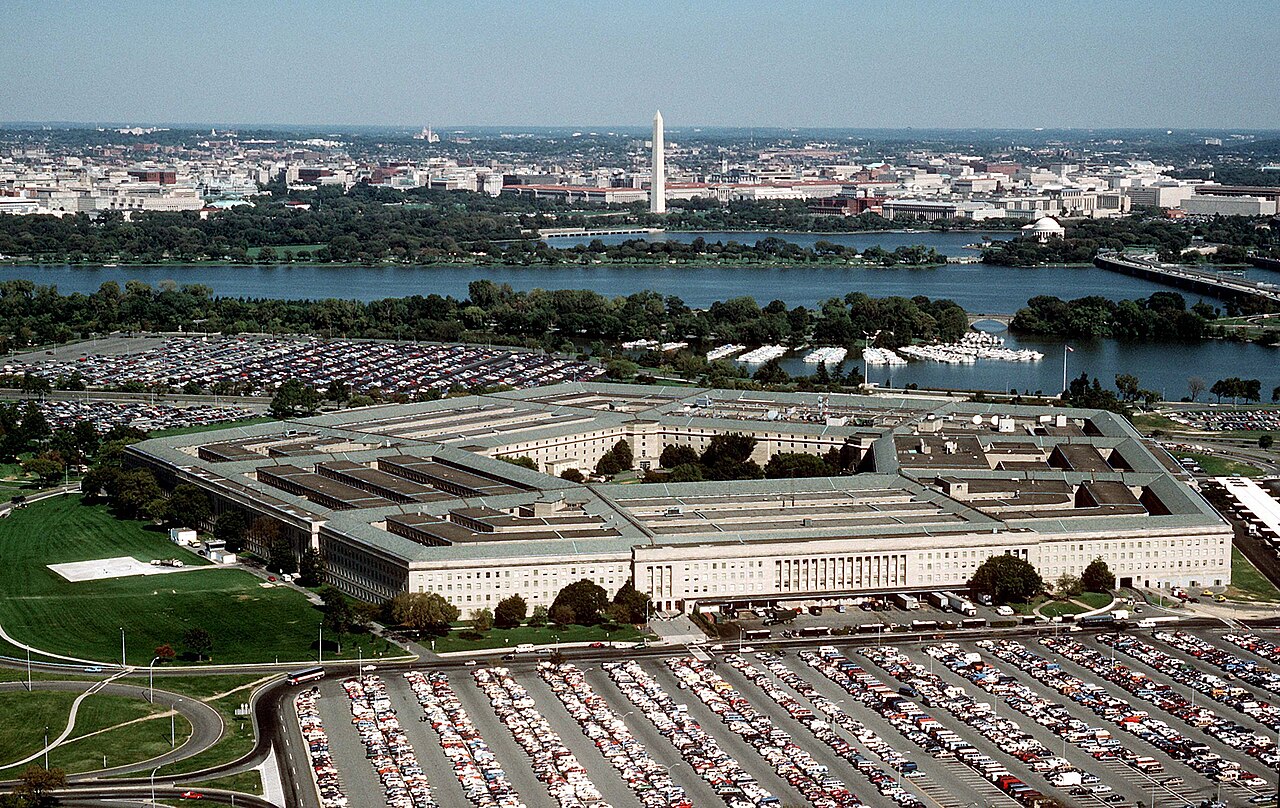
Coverage from late October 2026 concerns a war between Iran and the United States. A Pentagon estimate provided to Congress put the cost of the war at $47.1 billion as of October 16, up about $3.5 billion from $43.6 billion reported through September 3, Stars and Stripes reported.[4] Reuters, citing Pentagon data, said the figure was more than 25% higher than the Defense Department's July estimate.[4] Iran's Islamic Revolutionary Guard Corps said on 29 October that three oil tankers had exploded and caught fire after striking mines on what it calls the unauthorised southern route of the Strait of Hormuz, and Iran's army later reported a fourth tanker on fire.[2] AFP reported it was not clear when the incidents occurred or which flags the tankers flew.[2] The UKMTO separately reported a tanker attacked near Khasab, Oman, by a small boat that attached two explosive devices, and the record does not establish that this is one of the vessels Iran described.[2] Also in late October, Gulf states pursued proposals to avert a renewed war, centered on reopening the Strait of Hormuz in return for lifting sanctions and on a longer-term regional security arrangement.[3] Qatar's foreign ministry said on November 3 that it continues to facilitate the exchange of proposals but that it was not possible to speak of a specific breakthrough.[3]
In early November 2026 the record turns to military developments and outside support. CSIS published a commentary on November 2 by Benjamin Jensen outlining six U.S. military options he described as likely under discussion; the commentary is one analyst's assessment and does not establish what the U.S. government is considering.[7] The same day a U.S. official told the Associated Press that the United States had conducted defensive strikes on Iranian targets in the Strait of Hormuz, aimed at Iranians using surface to air missiles against U.S. assets.[8] Iranian state television reported explosions on Qeshm Island, and Euronews reported that US Central Command issued no formal statement.[8] Further strikes on Qeshm Island were reported on November 6, which President Donald Trump described as minor strikes on Iranian air defence systems.[8]
Articles first reported on November 7 also record claims about Russian support for Iran. A Lawfare analysis by Kimberly Marten and Carol R. Saivetz says Russia provided Iran with satellite imagery, targeting data, intelligence support and drones, though it argues the cooperation may not be permanent; the Kremlin has denied supplying drones and intelligence.[5] On November 5 the Guardian and the Financial Times reported, based on leaked Russian defence industry documents obtained by Dallas Analytics, an order for 90 LMUR missile launchers under a contract coded K-10 that separate paperwork identifies as Iran.[6] Both newspapers reported that the records do not establish whether the launchers were delivered, and the Guardian reported that Moscow has denied supplying military equipment to Iran for use in the current conflict.[6]
Written Nov 13, 2026 from the stories below.