US strikes Iranian targets near the Strait of Hormuz in November 2026, described by a US official as defensive
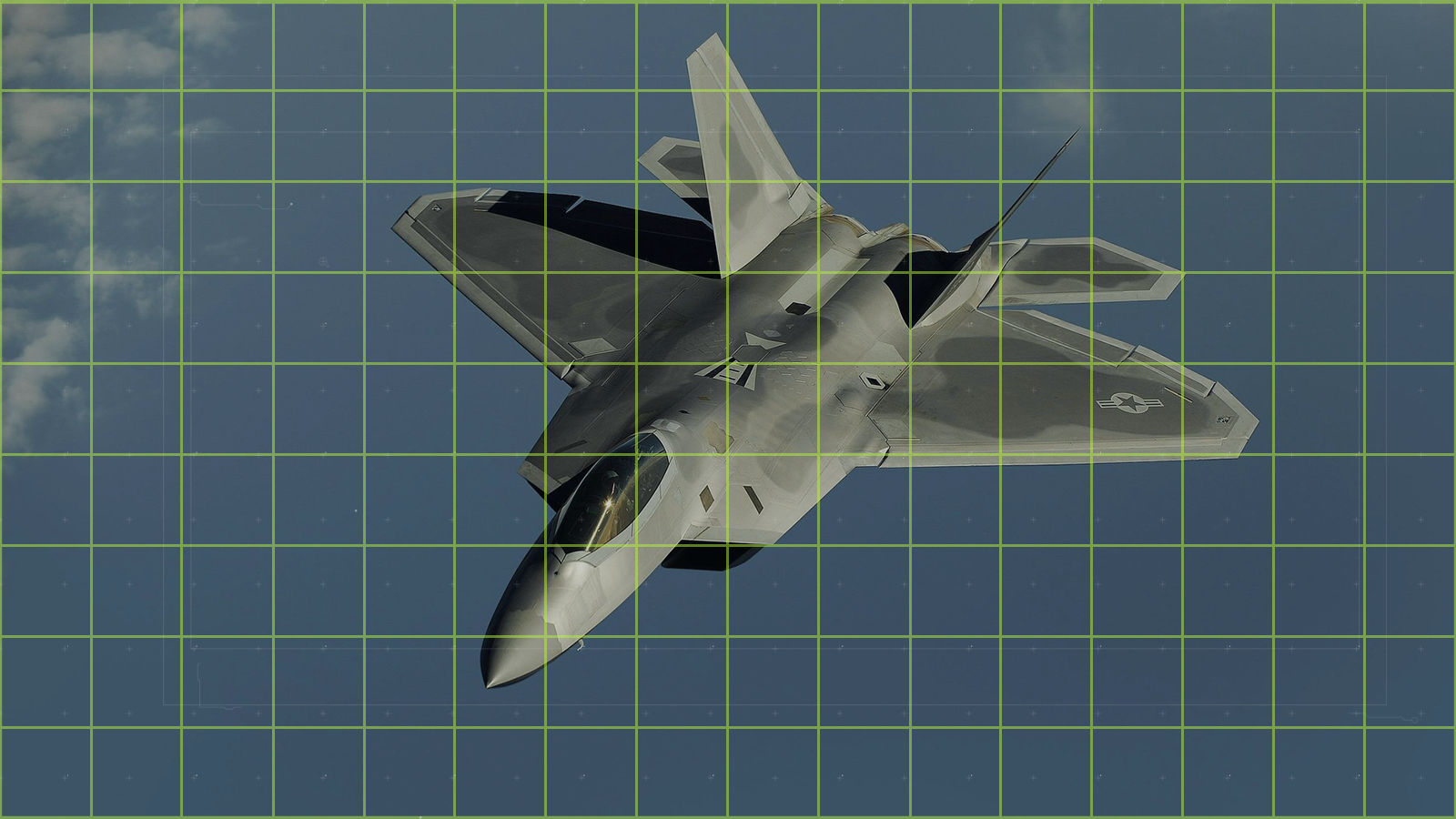
A U.S. official told the Associated Press on November 2, 2026, that the United States had conducted defensive strikes on some Iranian targets in the Strait of Hormuz, targeting Iranians using surface to air missiles against U.S. assets. Iranian state television reported explosions on Qeshm Island. Euronews reported that US Central Command issued no formal statement confirming or denying the accounts.[1][2]
Further strikes on Qeshm Island were reported on November 6, which President Donald Trump described as minor strikes on Iranian air defence systems.[3]
The November 2 strikes
According to the Associated Press, a U.S. official who spoke on condition of anonymity said on November 2 that the United States had struck some Iranian targets in the Strait of Hormuz, and that Iranians using surface to air missiles against U.S. assets had been targeted. AP reported that the strikes, first reported by The Wall Street Journal, appeared to be limited rather than a return to full hostilities.[1]
Euronews reported that residents of Qeshm Island, Hengam and Bandar Abbas described explosions and tremors overnight, according to the Iranian news agencies IRNA and Fars. Euronews also reported that US media outlets said a US Air Force jet struck an IRGC surface-to-air missile launch system on the island after a missile was fired from Qeshm at a US aircraft.[2]
Euronews reported that CENTCOM issued no formal statement confirming or denying these accounts and that no Iranian military or government official formally confirmed a direct attack on the island. The sources read so far do not establish what was hit or whether anyone was hurt.[2]
Iranian statements
The Islamic Revolutionary Guard Corps said its electronic warfare systems downed two US MQM-170 reconnaissance drones south of Qeshm Island, Euronews reported. No US source read for this article addressed that claim.[2]
On November 3, parliament speaker Mohammad Bagher Ghalibaf told parliament that Iran was at its highest level of defensive readiness and warned that any US strategic error would open a new battlefield in the war. "The ball is in America's court to prevent war," he said, as quoted by Euronews.[2]
The November 6 strikes
On November 6, Iranian state media reported two missile strikes in the Suza area of Qeshm Island, and an Iranian army statement carried by the state broadcaster IRIB said air defence forces intercepted and destroyed an American MQ-9 drone over the island, Al Jazeera reported. US Central Command said the situation was relatively calm, according to Al Jazeera. CNBC, citing Reuters, reported that the Iranian news agency Tasnim said there was no official information on damage.[3][4]
Speaking to reporters in West Palm Beach, Florida, Trump said: "They built a little bit of an anti-aircraft device, and we knocked it out in about 15 minutes, maybe five." Al Jazeera reported that Trump confirmed US strikes on Qeshm Island and described them as minor strikes against Iranian air defence systems. CNBC reported that Trump did not explicitly confirm that he was referring to the reported Qeshm strikes.[4][3]
Background
AP reported that the Trump administration was last known to have carried out attacks on Iran in early September 2026, and that thousands of U.S. troops remained off Iran to maintain a naval blockade on tankers carrying Iranian oil. AP reported that the November 2 strikes followed Trump saying the U.S. would not launch new strikes on Iran before the midterm elections.[1]
On the day of the first strikes, Vice President JD Vance told reporters that he and the president felt "pretty good about the prospects for potentially coming to a negotiated settlement."[1]
What the first record did not show
Open questions as of Nov 11, 2026, when IPR first recorded this story. Updates since then may answer some of them.
- Damage and casualties from either round of strikes.
- Whether CENTCOM has issued a formal statement on the November 2 strikes.
- Whether the drone losses claimed by Iran are confirmed by the United States.
The record
- Event type
- Attack[1]Stated by Associated Press, reporting a U.S. official, official account, Nov 2, 2026
- Target type
- Law enforcement or military[1]
- Occurred, start
- Nov 2, 2026[1]Stated by Associated Press, reporting a U.S. official, official account, Nov 2, 2026
- First reported
- Nov 2, 2026The date of the earliest cited source
- Primary place
- Strait of Hormuz (region)[1]Stated by Associated Press, reporting a U.S. official, official account, Nov 2, 2026
- Injured
- No source has stated a total. Figures for parts of the event:0[7], IRGC one-way attack drones launched toward Bahrain, stated by US Central Command, as quoted by Euronews, official account, Nov 13, 2026
Each value is what a cited source stated, with its source number. Where sources give different figures, the latest official account is listed first and every other figure is listed with it. A figure for one part of an event, such as one strike in a campaign, is listed as that part and never as the total.
Case and outcome record
| Date | Stage | Who | Court, office or agency | As the source states it |
|---|---|---|---|---|
| Nov 2, 2026 | Incident | United States military | defensive strikes on some Iranian targets in the Strait of Hormuz[1] | |
| Nov 6, 2026 | Incident | Iranian state media | two missile strikes in the Suza area of Qeshm island[3] |
One row per stage for each person, as sources report it. A stage a source only expects is not listed until it happens.
IPR records what each source says and who said it. A cited statement shows that a source said it, not that it is true. Hover a number to see the exact words quoted from that source. See something wrong? Use a flag to report it.