EU renews economic sanctions on Russia in December 2019; measures now extended to July 2027
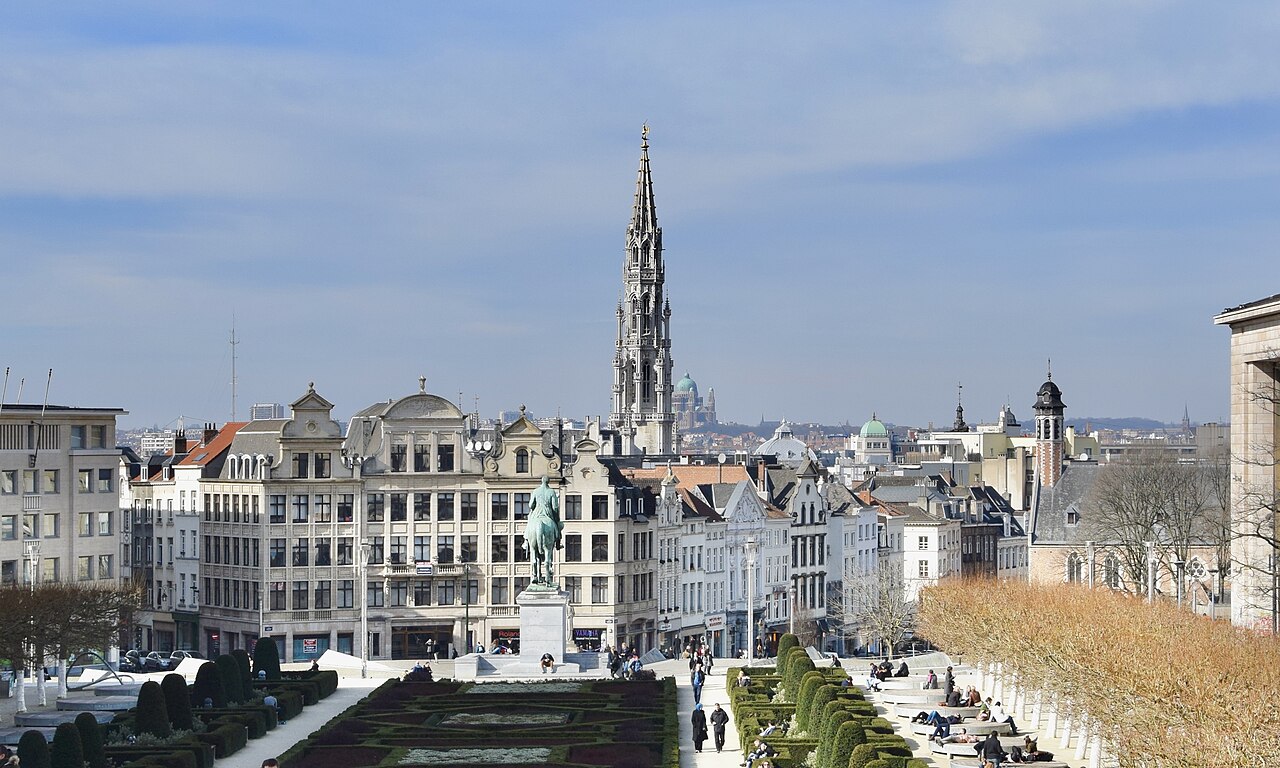
EU leaders meeting in Brussels on December 12, 2019, agreed to extend economic sanctions on Russia for six months, and the Council of the EU then adopted a decision prolonging the sectoral measures until July 31, 2020. The Council said the renewal was decided unanimously because the Minsk agreements were not fully implemented.[1][2]
The sanctions have been renewed since then; in June 2026 the EU extended them for 12 months, until July 31, 2027, The Brussels Times reported.[3]
Origins of the measures
According to the Council, as reported by Ukrinform, the economic sanctions were first introduced on July 31, 2014, for one year in response to Russia's actions in Ukraine and were strengthened in September 2014. DW reported they followed Russia's annexation of Crimea and its backing of a separatist insurgency in eastern Ukraine.[2][1]
The measures target the financial, energy and defence sectors and dual-use goods, according to Ukrinform's summary of the Council release; DW described them as targeting the energy, financial and arms sectors.[2][1]
The December 2019 renewal
The renewal followed an update to the European Council by President Macron and Chancellor Merkel on December 12, 2019, on the state of the Minsk agreements. DW reported that Putin and Zelenskiy had met in person for the first time at a Paris summit that week.[2][1]
Barend Leyts, spokesman for European Council President Charles Michel, wrote that EU leaders had adopted the prolongation. DW reported that the sanctions, due to expire in January, would remain until the end of July 2020, and that the EU had said they would be eased only if the Minsk deal was fully implemented.[1]
Ukrinform reported that the Council of the EU then adopted the formal decision extending the sectoral sanctions until July 31, 2020.[2]
Later expansion and the 2026 extension
The Brussels Times reported that the economic measures were expanded significantly from February 2022 after Russia's full-scale invasion of Ukraine, and that the EU had adopted 20 sanctions packages since February 24, 2022. They include a ban on importing seaborne Russian crude oil and certain petroleum products.[3]
After a European Council meeting on June 18 and 19, 2026, the EU extended the economic sanctions for 12 months, to July 31, 2027. The EU keeps separate measures, including limits on economic relations with Crimea and Sevastopol, alongside the economic sanctions.[3]
What the first record did not show
Open questions as of Oct 28, 2026, when IPR first recorded this story. Updates since then may answer some of them.
- Russia's official response to the December 2019 renewal was not found in the sources read.
- The details of each renewal between 2020 and 2026.
The record
- Event type
- Official action or statement[2]Stated by Council of the European Union, official account, Dec 19, 2019
- Means
- None[2]
- Target type
- Other[2]
- Occurred, start
- Dec 12, 2019[1][2]Stated by Deutsche Welle, official account, Dec 12, 2019
- First reported
- Dec 12, 2019The date of the earliest cited source
- Primary place
- Brussels (city)[1]Stated by Deutsche Welle, official account, Dec 12, 2019
- Next expected milestone
- economic sanctions in place until 31 July 2027[3]Stated by The Brussels Times, official account, Jun 26, 2026
- Next milestone date
- Jul 31, 2027[3]Stated by The Brussels Times, official account, Jun 26, 2026
Each value is what a cited source stated, with its source number. Where sources give different figures, the latest official account is listed first and every other figure is listed with it. A figure for one part of an event, such as one strike in a campaign, is listed as that part and never as the total.
Case and outcome record
| Date | Stage | Who | Court, office or agency | As the source states it |
|---|---|---|---|---|
| Dec 12, 2019 | Official report or review released | European Council | the European Council unanimously took the political decision to renew the economic sanctions against Russia[1][2] | |
| Dec 19, 2019 | Official report or review released | Council of the European Union | prolong the economic sanctions targeting specific sectors of the Russian economy until July 31, 2020[2] | |
| Jun 25, 2026approximate | Official report or review released | Council of the European Union | keeping the measures in place until 31 July 2027[3] | |
| Nov 5, 2026 | Official report or review released | European Commission | tenth meeting of the High-Level Group on Union Restrictive Measures[4] |
One row per stage for each person, as sources report it. A stage a source only expects is not listed until it happens.
IPR records what each source says and who said it. A cited statement shows that a source said it, not that it is true. Hover a number to see the exact words quoted from that source. See something wrong? Use a flag to report it.