IPR's coverage so far records military strikes by both sides, civilian casualties, Western financial and diplomatic support for Ukraine, and EU sanctions on Russia, with most claims attributed to Ukrainian officials or media reports.
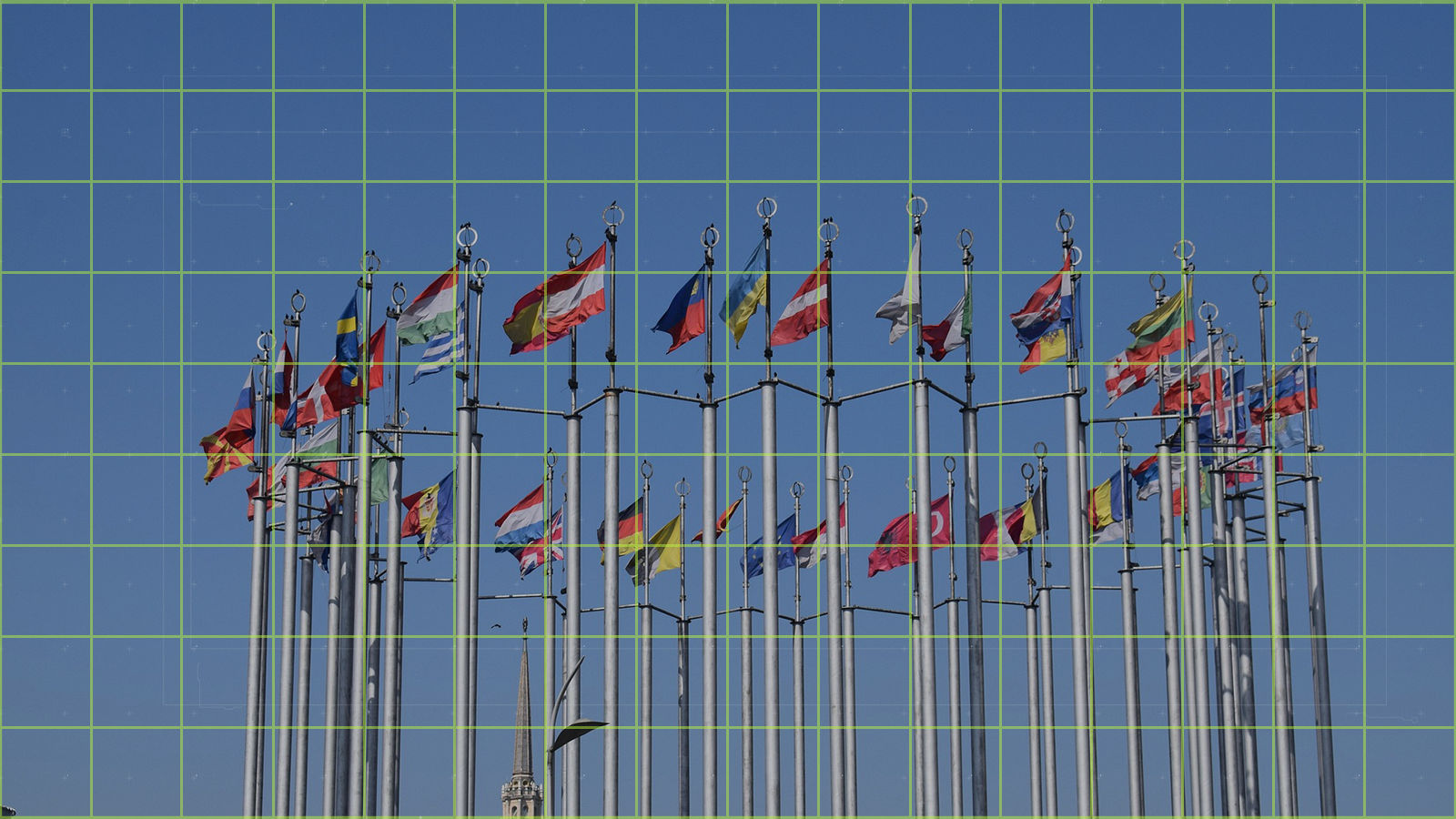
The earliest item records that EU leaders agreed on December 12, 2019, to extend economic sanctions on Russia, and that the Council of the EU said the decision was unanimous because the Minsk agreements were not fully implemented. The Brussels Times reported that the EU extended the sanctions for 12 months in June 2026, until July 31, 2027.[1] A CSIS analysis dated November 2, 2026, looks at Ukraine's reliance on Starlink after Ukrainian officials reported speed restrictions in mid-October, with service back to normal by October 24. CSIS wrote that who ordered the restriction remains in dispute.[8]
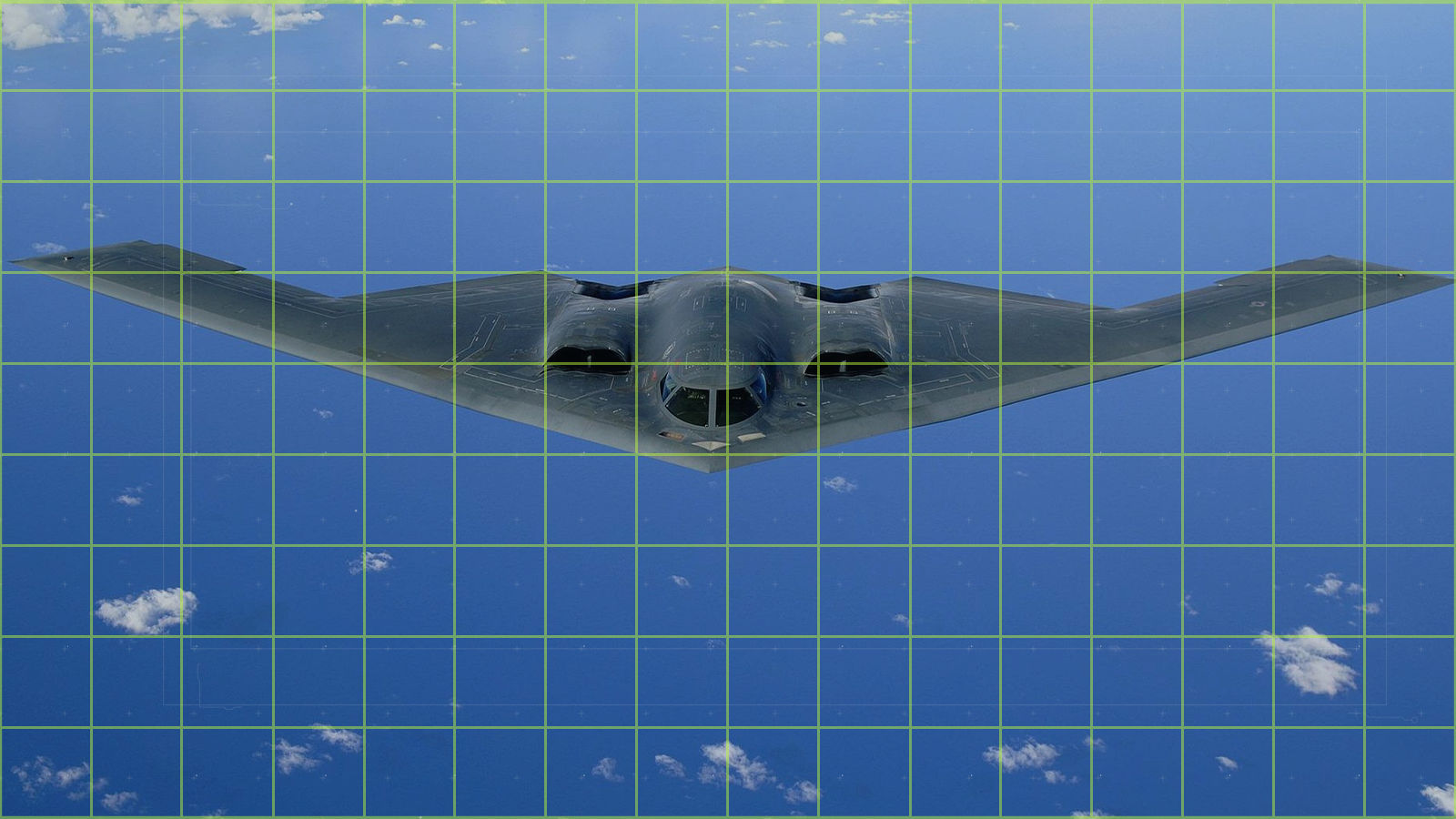
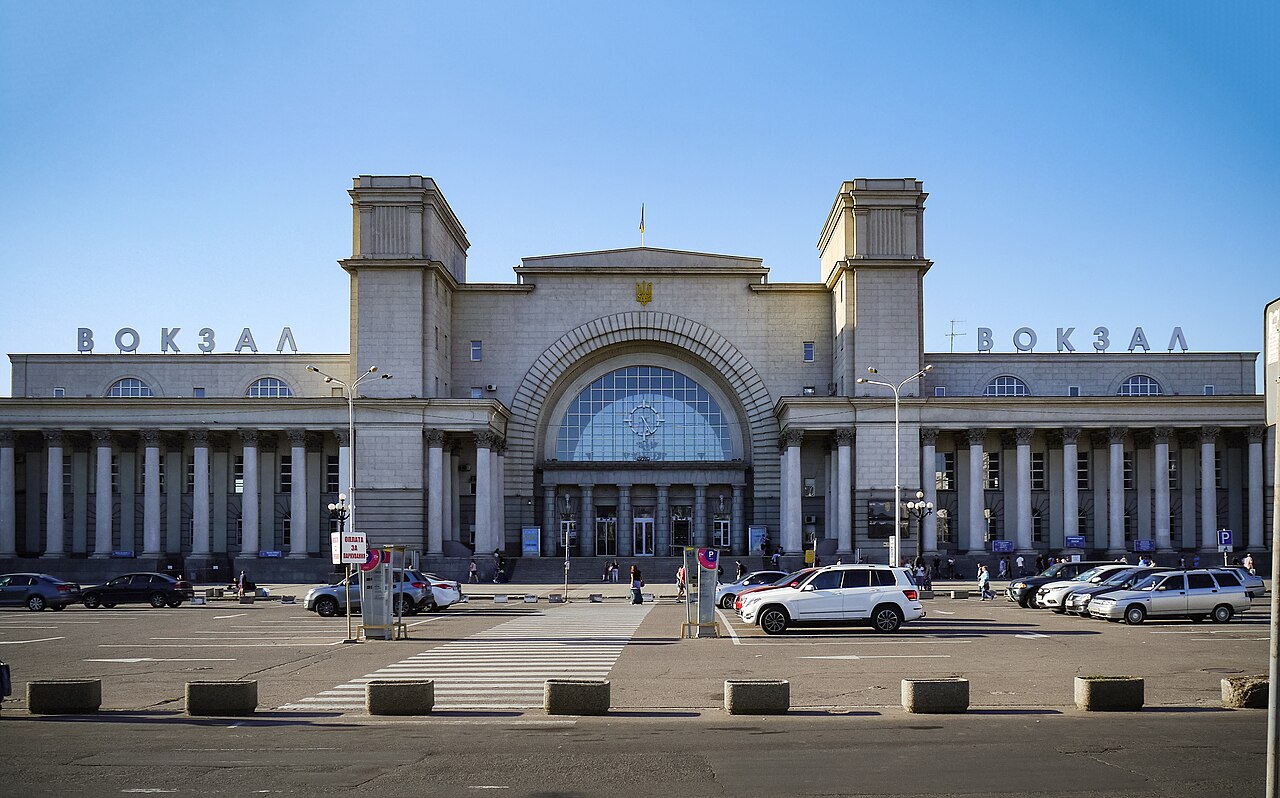
On October 23, 2026, Russian aviation authorities restricted flights at Moscow's four main airports, and Moscow Mayor Sergey Sobyanin reported that drones heading toward the city had been shot down. Ukraine's General Staff separately said it had hit a plant in Oryol and other sites. The sources gave differing drone counts, and several claims remain unverified.[2] On October 29, Ukraine's Navy said Neptune missiles destroyed two Russian Su-34 jets at Marinovka airfield. The Kyiv Independent said it could not verify the claim, and Russia had not publicly confirmed losses, though open-source analysts published satellite imagery they said showed wreckage.[3] The same day, Ukrainian officials said a Russian jet-powered drone hit a platform at Dnipro railway station, and the toll rose to 15 on October 30. No Russian account of the strike was found in the sources read.[4]
In November, Ukrainian authorities said Russian aerial bombs struck an aid distribution site and then a shelter in Komyshuvakha on November 2. The Guardian reported at least 31 dead, and regional police later said 55 bodies had been recovered and that 19 more could still be under the rubble.[7] Ukraine's Air Force said Russia launched 310 drones from November 3 into November 4, and Hromadske, citing Ukrainian authorities, reported energy facilities hit in five oblasts.[6] On November 5, the European Commission said it disbursed €4.36 billion to Ukraine under the Ukraine Support Loan, and Ukraine's Ministry of Finance said the budget received the €3.7 billion macro-financial part.[9]
On diplomacy, the Kyiv Independent reported that Ukraine met the United States, NATO, the European Commission and several European countries in Brussels on November 4 to coordinate before trilateral talks with Russia and the US in Abu Dhabi.[5] The same article records that the talks, dated November 10 and 11, ended with an agreement in principle on a large prisoner exchange announced by US envoy Jared Kushner, while Euronews reported no breakthrough on central issues.[5] The article is listed as first reported on November 7, earlier than those talk dates, and the Komyshuvakha item likewise includes a November 9 update, so the dating of these entries is unclear.[5] [7]
Written Nov 14, 2026 from the stories below.